Turning Employee Resource Groups Into a Business Strategy

Employee Resource Groups Are Under Pressure. The Business Case Has Never Been Clearer
By James Donadio, ERG & Community Engagement Leader (Sodexo)
In February 2026, the U.S. Equal Employment Opportunity Commission filed suit against Coca-Cola Beverages Northeast over a women-only networking retreat, and separately opened a subpoena enforcement action against Nike's employee resource group programming (Forbes). Around the same time, Google quietly wound down its long-running Women Techmakers program, handing it off to an outside nonprofit. Employee resource groups, the affinity-based communities that roughly 90 percent of Fortune 500 companies operate (McKinsey), are having a hard year.
And yet the business case underneath them hasn't gotten any weaker. Companies with high-trust, inclusive cultures see revenue grow 550 percent faster than less inclusive peers, and experience half the turnover (Great Place To Work). That turnover matters in real dollars: the average cost per hire in the United States is nearly $4,700, and total replacement cost can run three to four times a departing employee's salary once lost productivity and ramp-up time are counted (SHRM).
That tension, real legal and political pressure on one side, real financial upside on the other, is exactly what came up during a recent Achieve Leadership Network Mastermind with James Donadio, Senior Manager of Community Engagement at Sodexo. Sodexo has run employee resource groups (there, called EBRGs, for Employee Business Resource Groups) for close to 25 years, and Donadio has spent the last several years building the internal case that they belong in the same conversation as sales, retention, and client strategy, not off in a corner as a nice-to-have.
Why Companies Keep Investing in ERGs Anyway
The pressure on ERGs is not new, and it hasn't emptied out the category. McKinsey's 2025 Women in the Workplace research found that many organizations are still maintaining, and in some cases creating, new resource groups despite a harder legal and political climate (Forbes). Part of the reason is that the internal data keeps backing the groups up. McKinsey's earlier research, based on conversations with nearly 25,000 employees, found that people who rated their ERG as effective were far more likely to feel included at work: 83 percent, compared with 59 percent among people in ERGs they rated as ineffective (McKinsey).
That same research identified five dimensions that separate effective ERGs from the ones that quietly fade: external engagement (community service and volunteering), allyship, leadership connection, community building, and career advancement. Of the five, community building is where ERGs most consistently deliver, while roughly a third of employees rate their groups as merely neutral on the other four (McKinsey). That gap, between what ERGs are naturally good at and what leadership actually needs from them, is the exact gap Donadio has spent his career trying to close.
Put the "B" Back in EBRG
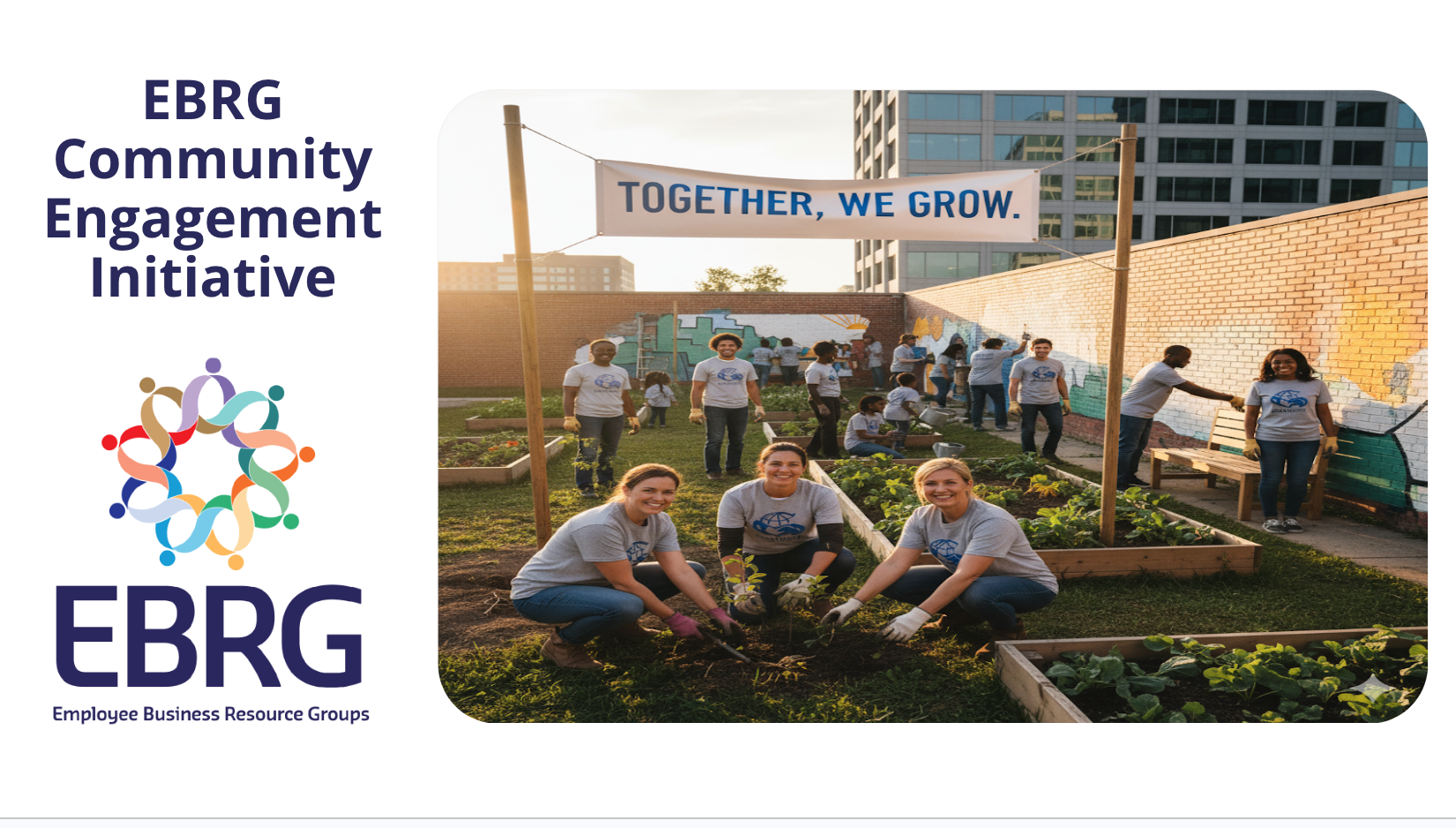
Donadio's framing for senior leadership is blunt. Any competitor can offer the same cafeteria, the same dining hall, the same facilities contract. What differentiates Sodexo on a bid, he argues, is a workforce that also functions as a genuine community and thought partner for clients, and that argument only lands with evidence behind it. His theme for Sodexo's national EBRG summit this fall in Boston is, in his words, putting the "B" back in EBRG: business.
Part of that shift meant separating two metrics that get conflated constantly: membership and engagement. Donadio's team found that raw EBRG membership softened somewhat amid recent organizational restructuring, which on its own might read as a program in decline. But engagement, the share of members actually showing up and doing something, has climbed steadily since Donadio took the program over in 2022. The team got there by asking members what they wanted instead of assuming, and by loosening a rulebook that used to require every regional chapter to field five named leaders and a fixed slate of annual events regardless of local appetite.
The data backs up the shift. In the first half of Sodexo's current fiscal year, 39 percent of people who showed up to a community engagement event were not yet EBRG members, and nearly all of them joined an EBRG within a week of attending. Community engagement events also skew heavily toward frontline employees: only 14 percent of participants came from transversal, above-unit roles like HR and finance, meaning the large majority were in-unit team members giving up multi-hour blocks of personal time, not just an hour at a desk.
The Zero-Cost Playbook Behind the Numbers
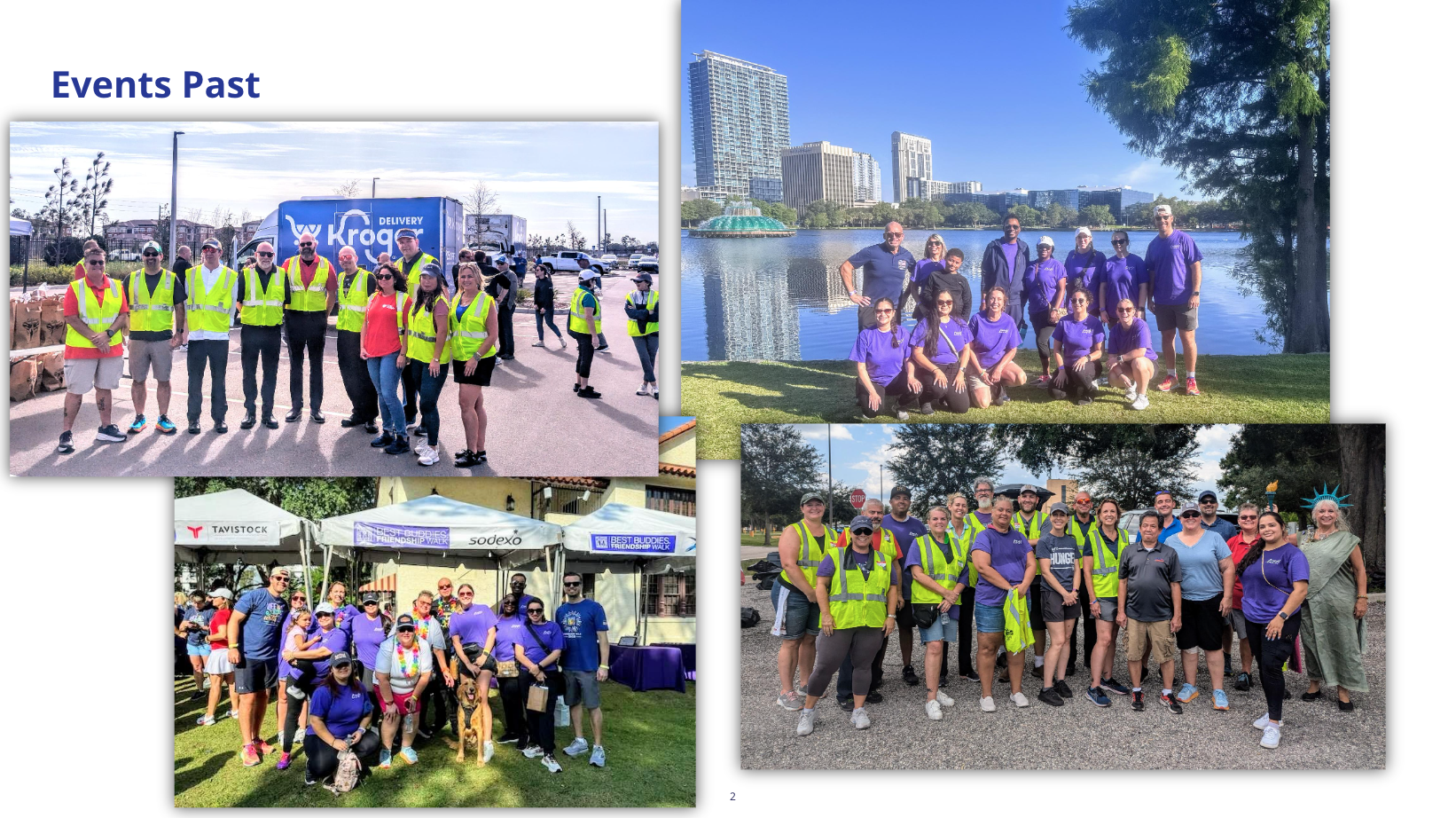
What makes Sodexo's community engagement strategy interesting is how little of it costs the company directly. Its renewed partnership with the American Cancer Society's Making Strides walks activated 23 teams across 21 cities in its first year back, with 156 employees participating and more than $16,000 raised. A multi-year partnership with Best Buddies Friendship Walks has grown to 35 teams, nearly half of the 83 walks held nationally, raising over $10,000 at zero direct cost to Sodexo. In both cases, the partner organization supplies the logistics and the tracking dashboard; Sodexo supplies people and a communication channel that reaches far beyond its existing EBRG rosters.
That reach is deliberate. Rather than limiting invitations to current members, Donadio's team cascades every opportunity to all employees within a 60-mile radius of an event and to every EBRG member across the wider region. Alongside the larger volunteer days, they also run low-commitment coffee meetups: any employee can offer to sit at a local coffee shop for 90 minutes with no agenda, and Sodexo reimburses the tab. Several of the program's bigger wins, including the renewed cancer walk partnership, trace back to relationships that started at exactly one of these meetups.
The client side of the strategy is newer, and arguably the most strategically important. A client in Fort Myers, Florida asked for help getting more involved locally; Donadio's team connected them to a veteran "stand down" event, and the client's leadership later sent an unsolicited two-page email praising the partnership, which helped cement a contract renewal. It is a small, concrete example of the point Donadio makes to his own C-suite: any provider can keep the lights on and the floors clean. Few can also show up as a strategic partner in a client's community, which is exactly the kind of relationship that survives an RFP.
What This Looked Like in the Room
The Mastermind conversation, hosted for Achieve Leadership Network members, ran an hour and covered a lot more ground than any single blog post can hold. Members pushed Donadio on some of the harder questions: whether engagement was rising or falling given broader workforce disengagement from anything outside a core job, how his team collaborates with marketing and sales so the work doesn't depend on any one person, and what happens when an executive sponsor is assigned to an ERG rather than genuinely invested in it.
One exchange stuck out. A member walked through what she saw as the three biggest business levers Donadio was building toward: sales pipeline development, customer retention, and employee culture and retention. Donadio confirmed those were exactly the right three, and connected them directly back to the cost of turnover and the value of client relationships that outlast any single contract cycle. Another member, reflecting on her own unsuccessful attempt to launch a resource group at a previous employer, noted that the long runway required (Donadio's own program took decades to reach its current shape) is often the real barrier, more than budget or buy-in. Donadio's answer: treat it like teaching someone to fish. The early years are slower while people build the skill, and the results compound after that.
What This Means for HR and People Leaders
The pressure on ERGs right now is real, and companies that keep them running through it will need better answers than "it's the right thing to do," even when it is. Sodexo's approach offers a template: separate membership from engagement and track both, widen your invitation list well past your existing members, give people low-commitment ways in before asking for a bigger one, and treat client and executive relationships as part of the program's job, not a lucky side effect. None of that requires waiting out the current climate. It requires building a program that can defend itself with its own numbers, which is a different task than building one that simply feels good.
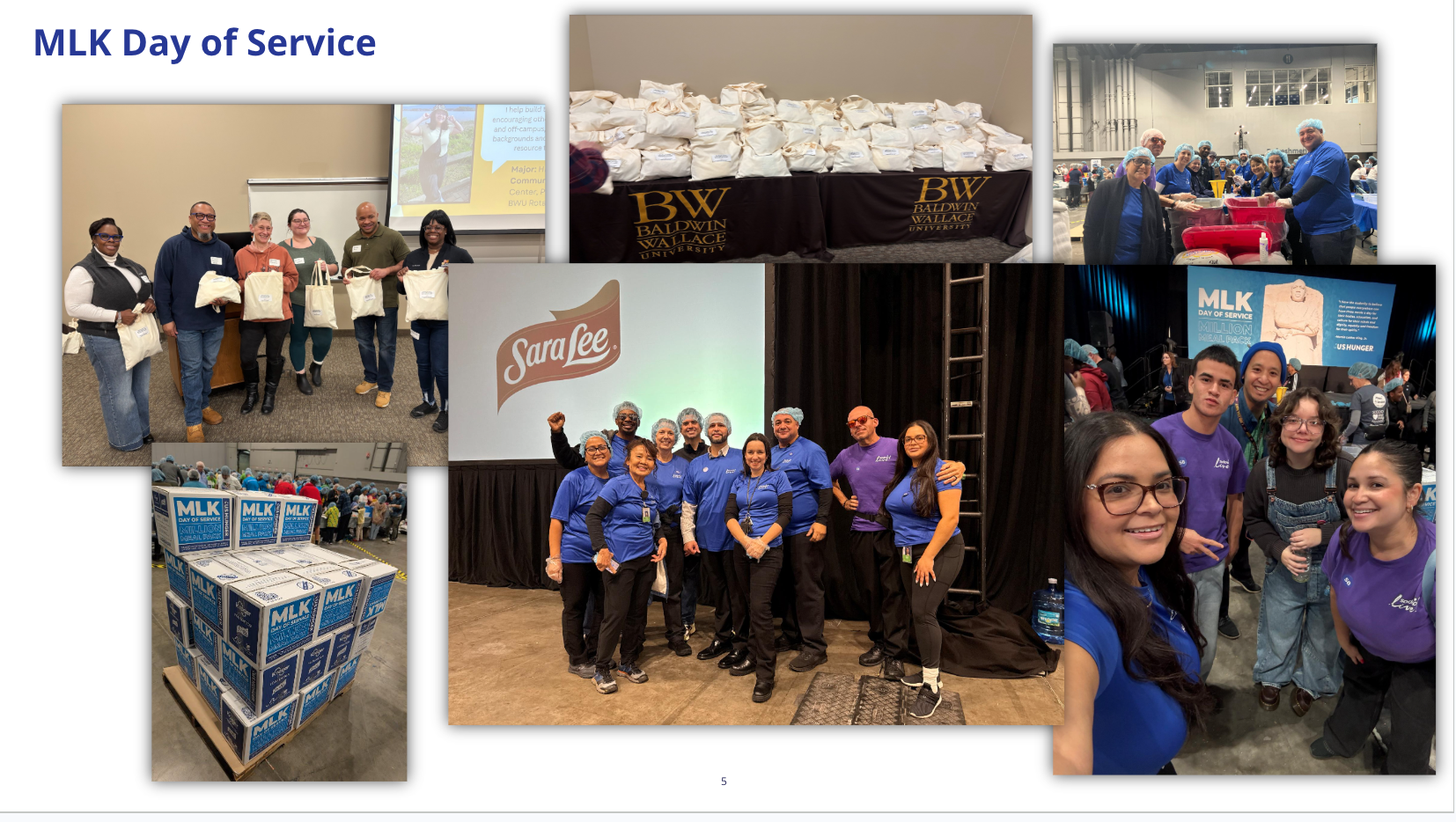
Want the fuller conversation? This session was hosted inside the Achieve Leadership Network, a member community for HR and people leaders built around real conversations like this one, not just another webinar feed. Members get access to the full Mastermind recording, direct connections to practitioners like James Donadio, and a running library of sessions on turning people programs into business strategy.
.png)