The Rise of Predictive HR: Are You Ready? (Transform Spotlight Session)
The Rise of Predictive HR: Are You Ready? (Transform Spotlight Session)
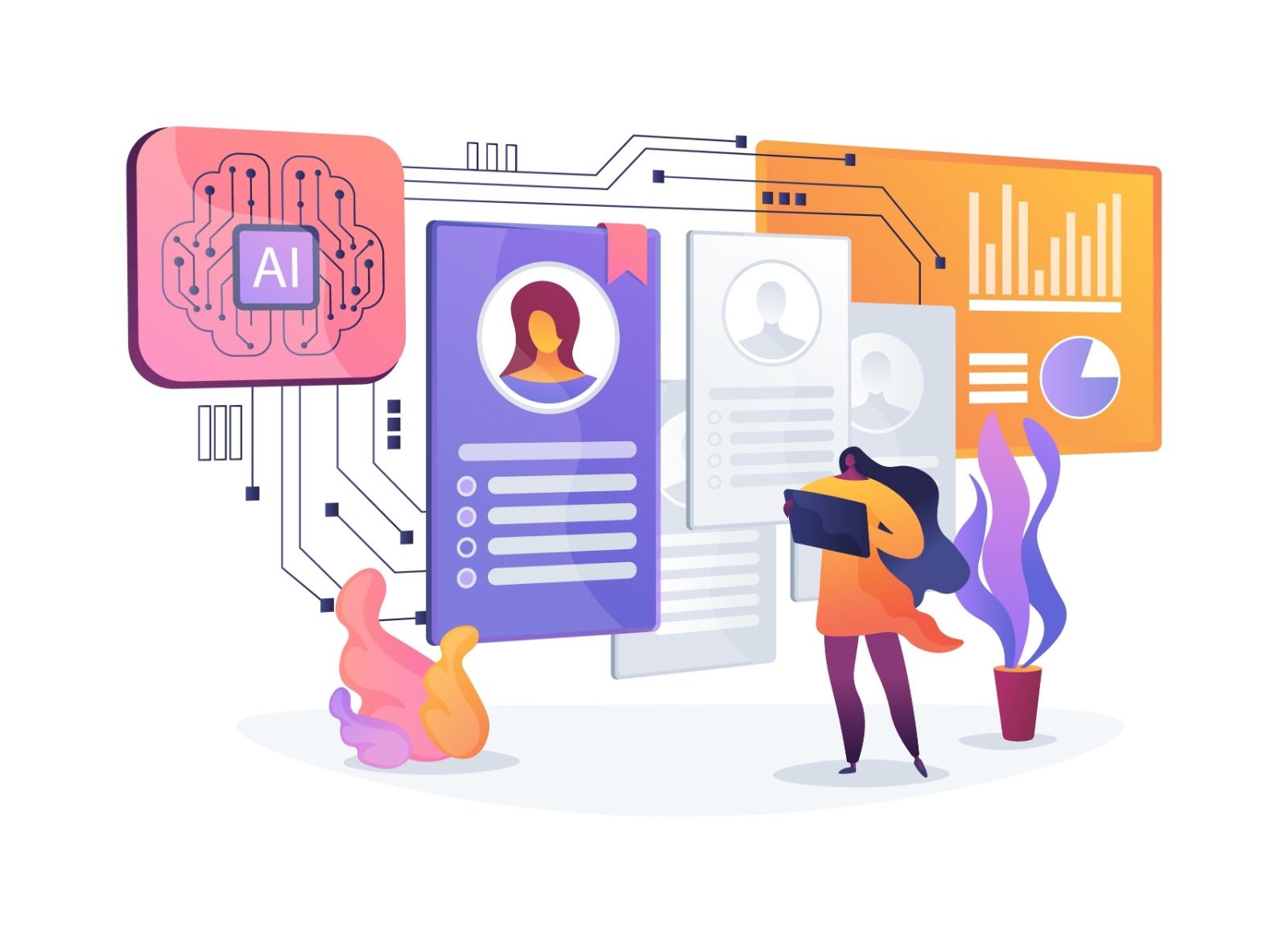
As organizations generate more workforce data than ever before, HR leaders are being called to move beyond reactive decision-making toward predictive, insight-driven strategies. In this Transform Spotlight Session, experts explore how predictive HR is reshaping talent management, employee experience, and organizational performance. The conversation highlights how data, analytics, and emerging technologies allow HR teams to anticipate workforce trends, identify risks earlier, and design proactive strategies that support both people and business outcomes. At its core, the session emphasizes that predictive HR is not just about technology—it’s about equipping leaders to make smarter, more confident decisions.
Session Recap
The session begins by examining the shift from traditional HR reporting to predictive workforce analytics. Historically, HR teams focused on past performance metrics—turnover rates, engagement scores, and hiring outcomes. Today, predictive HR tools allow organizations to anticipate future challenges, such as potential resignations, skill gaps, and leadership readiness.
Speakers highlight how predictive analytics transforms workforce planning by helping leaders recognize patterns before problems escalate. By analyzing employee behavior, engagement trends, and organizational signals, HR teams can intervene earlier—reducing attrition, strengthening engagement, and improving talent development strategies.
A major theme throughout the session is readiness. Organizations adopting predictive HR must invest not only in technology but also in data literacy and leadership alignment. HR professionals must understand how to interpret data responsibly and translate insights into meaningful action. Without the right skills and cultural readiness, even the best tools may fail to deliver value.
The conversation also addresses ethical considerations. Predictive technologies must be used transparently and responsibly, ensuring fairness, privacy, and trust. Leaders are encouraged to communicate clearly about how data is used and how predictive insights support—not replace—human judgment.
The session concludes with practical recommendations: start small, focus on high-impact use cases, build cross-functional collaboration, and continuously refine predictive models to support evolving workforce needs.
Key Takeaways
- Predictive HR shifts organizations from reactive to proactive planning
- Workforce data can reveal early warning signals
- Data literacy is becoming a core HR capability
- Technology alone is not enough—culture readiness matters
- Predictive analytics supports retention and engagement
- Ethical data practices strengthen trust
- Leaders must interpret insights thoughtfully
- Collaboration enhances predictive outcomes
- Small pilot programs accelerate adoption
- Predictive HR enables smarter, more strategic decisions
Final Thoughts
Predictive HR represents a significant evolution in how organizations understand and support their workforce. By anticipating challenges rather than reacting to them, HR leaders gain the ability to shape outcomes with greater confidence and precision. However, the true power of predictive HR lies not in technology alone—but in how leaders use insights to create more responsive, thoughtful, and human-centered workplaces. Organizations that invest in predictive capabilities today will be better prepared to navigate tomorrow’s workforce challenges.
Program FAQs
1. What is predictive HR?
Predictive HR uses workforce data and analytics to forecast future outcomes and guide decisions.
2. How is predictive HR different from traditional HR analytics?
Traditional analytics focuses on past data, while predictive HR forecasts future trends.
3. What types of issues can predictive HR identify?
Potential turnover, skill shortages, disengagement, and leadership readiness.
4. Why is data literacy important for HR teams?
Understanding data ensures insights are interpreted correctly and used responsibly.
5. Does predictive HR replace human decision-making?
No—it supports leaders by providing insights that improve decision quality.
6. How can organizations begin using predictive HR?
Start with small pilot programs focused on high-impact areas.
7. What ethical concerns exist with predictive HR?
Privacy, transparency, and fairness in how employee data is used.
8. How does predictive HR improve employee experience?
By identifying challenges early and enabling proactive support.
9. What skills do HR professionals need for predictive HR?
Data interpretation, critical thinking, and strategic decision-making.
10. What is the biggest benefit of predictive HR?
The ability to anticipate workforce needs and act before problems escalate.
Hello everyone, and welcome to today's live program. Super excited to come together as a community and unpack this topic that I'll introduce in a second. But before I do that, I also want to welcome all of you in the chat in attendance. I already see the comments coming in. Anu in Austin, good to see you in here. We're going to be in Austin in a few weeks. I hope to see you there as well. Melissa in Chicago. Sacramento's in the house. Vancouver, Karen, welcome in. John in Denver. I'm also in Denver, or Arvada anyways. Irwin in LA, Alexa in Indiana. We got Naples, Jamie, good to see you. I see you in here. Steve in New Jersey. Fort Collins, Shane. All right. Another Colorado peer in the house. Montreal as well. This is great. I think these are often incredible opportunities, these next hours of learning and growth, but also connection as peer leaders in this space. So that's kind of two things I really encourage you as we go through today's program. One, to make it an incredible learning experience, take notes, pay attention, be present here with us, eliminate maybe some of the distractions, and add your own thoughts in the chat as we're going through that. I think that's one piece to this learning experience is how can we actually process and take what we're learning through journaling and note-taking and all the information and tactics and things that you're going to learn throughout the next hour. And kind of go through that process of, okay, how do I fit this into my context or my culture, or how do I start bringing this type of framework to life with the team that I'm working with? Whatever that might be for you, that's kind of how I would start to think through it. And then on the other end, I think there's also a lot of power in learning from each other. So yes, we have two other amazing leaders that we'll introduce in a little bit, share a little bit of what they're doing and how they're continuously building kind of new frameworks, new strategies to make a bigger impact. But there's also a lot of power in learning from all of you. So as we're going through this, one, feel free to ask your own questions, things that you're dealing with, and we'll be able to integrate that into today's conversation. But then also, if there's ways that you've approached it, certain frameworks you've used or a certain model, like when we're unpacking these things like performance management or performance enablement and kind of going through these different concepts, share how you've been doing it, because I'd be curious on how you kind of customize some of these things to your own organizations. And what today is a really special session because it's actually building off of a live session that was done at Transform in March this last month. And I would be curious if any of you were at Transform. Put in the chat right now, yes, if you were there with us. Not maybe this session, but if you were at Transform, I would love to see if any of you were able to join that day or that entire conference. I had so much fun. I was running around the expo the entire time, but I'd be curious if you were there. So yes, Steven, okay, you were there. Yes, it was amazing. But there's a ton of content, ton of programming. This was one of the sessions that happened at it, and we wanted to do a little bit of a post-Transform discussion to kind of keep the learning going, to dig deeper into some of the topics that we didn't have time to live at the session. And one thing that stood out live at Transform this last year, especially as we had conversations with groups like Upwork and Vidyard, was how HR is still largely operating in hindsight. We're constantly still looking at things from the past to hopefully help dictate what's going to happen again in the future. It's kind of on this older model of how do we predict and control in the world of work, and that's kind of a model that's been a little bit broken and outdated. It's like, okay, how do we actually start to move forward and look forward, right? If you think about some of the traditional frameworks like performance reviews, they always show what already happened, or engagement surveys always show what people feel in the past. Attrition data shows who already is gone. What we're trying to do is figure out how can we better predict and understand what's going to happen in the future so that we can make more strategic discussions or conversations or level up our people. So there's a couple key insights I wanted to share with you before we get into this discussion portion, and then we're going to jump into it. So the first one that I wanted to share with you from that session in Transform is, one, predictive HR means seeing around corners. So if you think about how do you kind of get that insight around corners and be able to identify risk before it actually becomes visible, it's really hard. So I'm excited to discuss how we actually do that. But how can we identify early performance signals, detect goals when they're drifting maybe in different directions, maybe surface some hidden patterns? The shift is all about asking from what happened to asking what is likely to happen in the future. So that's the first part about predictive HR that I'm excited to dig into. Another key insight that was shared is managers are the center of performance. I feel like I've been preaching that for years with our community. So much of HR, the programs that we design are dependent on managers enabling and living and driving it forward. So a lot of times, though, this performative data and these insights don't live in HR. They actually live with managers. So on the other hand, managers lack a lot of times on real-time insights or some of the contextual data or clear guidance on when to act. So we need to figure out if we want to be more predictive and more strategic with our people, how do we equip our managers with the insights in real time so that they can act and coach and mentor on a real-time basis?So that's another key insight. So the second part, managers are the center of performance. I'm actually going to copy these in here. I know you're taking notes, but I'm going to put the key insights in the chat as we go, just really quickly here. The third key insight, reactive HR creates business risk. I hope you all probably know and live in this one, right? Like how often you're just trying to put out fires and you're constantly reacting to things. It doesn't really keep future fires from coming up again, right? So when we are operating reactively, this creates a ton of different risks. This creates risks of missing signals that lead to attrition. It also creates risks around delayed feedback in terms of how it leads to performance issues. There's also a lack of visibility around what's eroding trust and what's increasing exposure throughout the organization. So the core shift here and the insight that happened from Transform was like, all right, how are we solving problems early instead of managing and putting out fires later? I hope some of you are with me on, I would like to be able to be in that world than constantly being the punching bag for all the fires that I've got to put out on a constant basis. All right. The next one, key insight number four from Transform. Continuous performance replaces annual reviews. How many of you are still doing just annual reviews right now? I'd be curious in the chat too, if that's you. No shame. No shame in the game, but we need to replace those annual reviews with continuous performance functions, and we'll get into what that actually means later. But we're moving from event-based reviews, that annual review, to continuous performance signals. And we're looking to go from these static documentation processes to an actual dynamic performance tracking model that can help us drive and enable performance in the future. So we'll talk about that a little bit too. All right. Key insight number five I have for you all, AI changes what is possible. It really does. I've been so excited about what AI has actually enabled and opened up the door. There's so many ideas I'm sure all of you have had for so long, or things you wish you could have access to or be able to do, but just don't have the tools, the infrastructure, and the systems that be able to support it. But now data that is all over the place can be stitched together into one system. It can help you better identify patterns, which again, goes back into the predictive piece we're going to talk about, and insights can be delivered in real time. So it really does change the game when it comes to predictive HR. So think about that too, like where can you leverage AI to change what's possible? Especially when we think about performance, performance management, performance enablement, that's going to be a big one. Key insight number six for you all. This is also a mindset shift. It's a mindset shift first. So we need to be changing the questions we're asking. We're not looking to do those look back of how did this person perform, but really what can we start to look at in terms of signals that lead to certain outcomes, and what we can do earlier to enable performance. So it's a mindset shift in how we actually view performance management and performance enablement. And then key insight number seven, the stakes are high. They really are. I feel like we've been going through six years now of COVID, the great resignation, quiet quitting, now it's AI doomsday talk throughout the organization, and the stakes are continuously being higher and higher for organizations. And if you became or remain kind of reactive, you're going to fall behind in so many ways. And performance is at the top of the agenda for every CEO today. So it's a huge risk in terms of talent and retaining our talent. It's a huge risk in terms of falling behind operationally and being slower and making less informed decisions. So it's a critical initiative for the organization to not fall behind on this anymore. We got to really spur some action into this space. So I'd be curious, any of these key insights for you, maybe put in the chat so far, one through seven, put your number. Which one do you want to double down on or what resonates for you the most? I'd be curious in the chat if any of you are seeing those seven key insights from the Transform session, which one stands out to you? And if you want to watch the full session, I'll share this again later too, Clarr actually shared the full session recording on their site, which I've just put a link there, so you could watch the full recording later. So make sure to refer to that. But let's see what we have here. We got key insight number two, four, number five, two, two, five, five, five. So two and five are the big ones. All right. So managers are the center of performance, and AI changes what's possible. All right. Let's dig into it a little bit more. I'm excited to welcome dear friend, mentor, collaborator, colleague of the Chief Engagement community, Chief Revenue and Customer Experience Officer at Clarr, Lana Peters. We're very lucky to have her here with us, and I'm excited to dig into this with you, Lana. So let me stop sharing here so we could see your beautiful face up here with me. It's so great to see you. Thanks for being here with us. Good to see you, James. Curious. So feel free to maybe build off anything you saw in the chat as I was talking through the key insights, but-I'm just curious, coming off of Transform and thinking about these key insights in the session that you had- Mm-hmm ... what were some of the key problems or things you wanted to really highlight at Transform during this session? Well, first of all, thanks for having me. I always love to spend time with you and do these types of conversations. It was really clear what the core problems were. We've loved Transform. We had such a great event and interacted with some amazing people. But the core problem is that HR is still operating as a system of record instead of a system of intelligence. Not their fault. There's a lot going on that's preventing that from happening. But every other function, such as sales and finance, they've moved to predictive modeling where they can forecast ahead of time and act early. And HR is still looking backwards, which creates a disconnect between how business runs and how people decisions are made. And that was- Yeah ... essentially the biggest problem that we heard about over and over again. Mm. And maybe in the chat too, for everyone listening, scale of one to five, five being we have predictive HR today. We are cruising. We have the insights. One being we are still reactive. We're still more looking back. I'm just curious for some of you, and again, no shame in the game. We're all here to learn and grow and develop, but where do some of you feel like you are in terms of your maturity or growth or evolution to becoming more predictive versus reactive and looking backwards? And this will help benchmark as we go through these strategies. Start thinking about what a two to a three would mean for you. What's one action you can take to move the needle? And take notes on what Lana, and Shartaj who we'll introduce in a little bit, share with you. So, and to kind of help, I see the numbers coming in, so I'll- Yeah ... we'll look at that in a second. But for those of them that were a two or a one or three in the chat, and they weren't there part of that session, what's one key takeaway that really landed that we would like to maybe share with our audience right now? Well, first of all, if you're a one or a two, you are in very good company. I would say that most organizations are at the one, two, maybe three stage, and they know it. They can feel it. So the biggest takeaway is that performance management should not be documenting outcomes after the fact, which everyone talked about during this session. It should be about shaping outcomes in real time. But they're missing the technologies they need to do that, and potentially even the processes. So the organizations that are winning will be the ones that see those signals early, and they can act before those problems escalate. Mm. I always think about when I'm wearing my Apple Watch, I have the technology, and it's giving me warnings like, "Oh, it's too loud in your environment right now. You should probably ch..." Mm-hmm. You get those signals in real time, but you need the technology. You need the setup and the infrastructure to support that. Absolutely. What was funny about that is we actually gave away Oura Rings during Transform because they are predictive, because they absolutely align to the brand and what we were trying to talk about. So that's kind of funny that you picked that up. That's right. All right. No, yeah, sorry, I should have been promoting Oura Rings since we- ... supported them there. But yeah. Always. Okay. So I'd love to define and get into predictive a little bit more because I think sometimes ... And one of the key insights was it's a mindset shift even, and we have to reframe how we're even viewing these things. So for us that are one, twos, and threes even, okay, let's understand what predictive actually means so that I can develop the right mindset around it. So yeah. Can you help me unpack that with our network a little bit? Predictive HR is being talked about everywhere. Obviously, you did a huge session around it, but what does it actually mean in practice and start to look like? That's a really great question because it's definitely a buzzword, and some folks know what it means, and some folks don't. So I'll talk about it in practice. So in practice, predictive HR is about using the data you already have to identify the patterns early and take action sooner. So that's kind of just a general sense of what it is. It's not about collecting more data, which actually can prevent HR teams from moving forward because they're saying, "How do I get this data?" Yeah. "Is this data accurate? Is it unbiased?" Et cetera. So it's about connecting existing data with surfacing insights at the right time so that managers and leaders can act before they're locked into an issue that they have to take care of down the road. Yeah. Which I think hopefully alleviates some of that pressure from some leaders who are like, "Am I going to have to do another engagement survey? I already asked people to fill out these other things." We're not going to be able to do that, right? So it's like, okay, let's leverage the data we already have. So talk to me about that. What are some of the maybe signals or data sources we should be paying attention to, to help unlock that predictive piece? And for everyone listening, I'd be like, jot this down because- Yeah ... now you're going to go into spider web mode and be like, "Okay, how do we link these things together?" But what do we need to look at for? Yeah. Some of the most important early signals would include trends in goal progress. So especially when teams are starting to kind of drift, or if those goals are beginning to lag or not be on track, that's an early signal. Changes in feedback frequency or maybe the quality of that feedback, that's a big signal. So shifts in engagement or sentiment. We can all feel that, right? As HR folks, we're very intuitive to know, hmm, that person's, is just, that sentiment's a little off. It's not quite exactly where we were six months ago. Or maybe they're not talking to me as frequently, or they're not as excited during the one-on-ones, or whatever the case may be. So changes in manager interaction patterns, again, including frequency and intent, that's another signal. So these signals often show up weeks or even months before the performance issue or the attrition really becomes visible, which is something we should be looking for. And that's certainly something that we see HR folks trying to find a way to see. Yeah.It's like, how do you bring visibility to some of the unknown a little bit? You do know it, but it's like, all right, we're improving our sensing and listening tools- Yeah ... to help. And just I guess, infrastructure as a company to be able to, okay, let's use it. Because the information's there. It's sitting out in the abyss, but we need to listen and sense for it so that it can be useful. It's listening, and it's an access, too. Yeah. It's making sure that the teams have access to that. We'll talk about that in a little bit, too. Yeah. One of the key takeaways I shared earlier is this idea of being able to see around corners. Yeah. And I think that sounds like some type of superhero Marvel movie or something like that. But what does that, what does seeing around corners look like in- Yeah ... the real world business Kind of like the bomb saying of seeing in the back of your head. That's what that makes me think of. Yeah. Yeah. So, what does it look like? It looks like a manager knowing someone is struggling before they miss the goal or the target. It looks like identified misalignment across the team before that project slips or you're not on track, like I talked about earlier. It might look like catching up early signs of disengagement before someone starts looking for another job or looking elsewhere. So those are kind of some of the early things that you might see when you look around corners, but it's about having the visibility into what's developing, not what already happened. And that's the key. So at this point, we kind of talked about some of the things we should look for, the signals or sources, and things like that. We'll get into how to build that or implement it a little later, but as many people in this chat are like, "I joined today because I'm ready to make the shift," where do people mostly get stuck, though, when they're making the shift? What are lessons learned that we could give them as they go on this journey to make the shift? Where do most organizations get stuck today? So there's a couple of pitfalls, but I'll talk about the one that we see the most. And most organizations when they start down this path, try to layer predictive thinking on top of a system that they already have that was really built for documentation, right? So it's kind of they bolt it on the top of it, and that data's really fragmented. The insights are really delayed. Managers don't get that information that they need when they need it. And so the real shift requires rethinking both the system and then how their performance is managed day to day. So this requires a real-time data. It's in the flow of work. That's key. We'll talk about that. So you're getting your data as folks are in their systems, not something that's being pushed out a week later or a month later, or you're going to a spreadsheet to see what's there. And it also is a shift in mindset that performance is in the present, and it's not a look back. And that, I think, is the key to all of this. Yeah. Okay, I want to now revisit one of the key insight-- Like I asked earlier, which key insight resonated the most? And the top two, one of them was the role of managers, and everyone was like, that was one of the one that kind of stood out to them. Mm-hmm. So why are managers so central to this transformation? I mean, simply put, managers are closest to the work, and the employee experience, and that makes sense, right? We talk to our managers and our leaders the most, if not our peers. Mm-hmm. So they're the ones having the conversations. They're setting the expectations. They're influencing outcomes in real time. So, HR can surface insights, but managers are the ones that actually act on them, and they create real impact. That's the reason- Yeah ... for the transformational. And I'm sure all of us can think of the good and bad managers we've worked with in the past, and the amazing ones are able to sense when I'm struggling or something's happening, and they know how to step in and support me in that moment and get me back on path. But that's like, you're relying on the luck of having good managers at scale, right? You might get one out of-- I don't even know. There's probably some research on this, of one out of six or one out of seven is going to be able to do that. Right. So okay, cool, you have one team that has that type of predictive manager who's working at that level. What about the other six, right? So what is so broken in how managers handle performance today? Well, managers are expected to manage performance, but they're often doing it with incomplete information. That's really where the crux is. They rely on their memory, which we all know we get to, for example, performance reviews, and we think, "Okay, what happened in the last 12 months? And where is all of that data?" They're looking for scattered notes. They're looking in outdated systems that may or may not even have the information. So I mean, they're really running a race with one hand and one leg tied behind their back. And is that really fair? Yeah. So performance becomes reactive because they do not have real-time visibility into what's happening with their teams. Yeah. All right, let's pretend now we have predictive HR in action for our leaders. How does that change how a leader experiences their day to day when they do have this type of predictive HR in action? Right. So in a perfect world, which we know it's never perfect, but predictive HR gives managers clarity before conversations. That's really important. It reduces administrative work like that note-taking and documentation I was talking about. Nobody wants to spend their time, especially during review season, spending 12 hours per review when they could be actually working with their teams. And it helps them focus on coaching and decision making instead of chasing that data I talked about and again, writing those reviews from scratch, which takes so much time. So, ultimately, it allows managers to be more proactive, more consistent, more effective in how they lead their teams. Yeah.And I do think about even just the manager experience that they would be able to have if this was more of how their role was functioning versus how it is today. It's a better employee experience for leaders, right? So I think about just, yes, now you're unlocking performance in a more proactive way for their teams, but you're also unlocking a healthier experience for your leaders internally. You are, and you're growing those leaders. These are the folks that are moving your organization forward. So we want to give them the support and the tools and the growth they need to do that. So let's talk about that impact a little bit. I already mentioned you're immediately impacting the leadership experience. That's a win off the bat. You're going to retain and support your leaders at a higher level when you start to have this type of framework implement or this type of structure implemented. So yeah, talk to me a little bit more about that. For the HR leaders who are like, "Okay, I'm going to have to communicate this to the business in order to get buy-in and support and get people bought into it." What actually improves when organizations get this right? What's some of that business impact we're looking for? Yeah. The business impact when you get it right is you see faster and more confident decision-making. You have higher retention for those top performers. We all know that losing a top performer is not just about losing that top performer, right? It also is about the person that takes up their role and their work while you're trying to find another person. It's about the culture and the hit that you take to that. So there's a lot of impact there, and that's really important. You'll see better alignment across teams and goals, and you'll see more consistent and meaningful performance conversations, which again, moves the business forward. Yeah. So it also elevates HR, which is really important from a reporting function to a strategic partner that drives business outcomes, and that's what we want. We want HR to have a very prominent seat at the table, and this allows that. Yeah. That's something, obviously, HR has been fighting for- Yes ... for a long time, and it continues now than ever. Like, okay, how do we make HR a revenue-generating function- Yeah ... like a strategic partner to that level? And this directly is aligned with that. We talk a lot, Zach, about going from a cost center to a profit center. Mm-hmm. Yeah. And when that happens, from an HR perspective, you see companies flourish and grow in a way that is exponential, and it's a beautiful thing. But it takes some work on both sides, certainly. Yeah. I think the other key insight that stood out for some people that I mentioned is the stakes are high, right? And yeah, let's dig into that just a little bit. What are companies risking if they don't make this shift? If organizations maintain staying on this more reactive looking back path. Right. We talked about this just a little bit previously, but they risk losing high-performing employees that they could have retained, which of course, I said leads to the lower performance, additional stress on the remaining team, and eventually actually more turnover. So it's kind of like a vicious cycle once it starts going. They risk making slower and less informed decisions, and we don't have time for that in this day and age at all. They risk falling behind competitive organizations that are already operating with real-time insights. So in fast-moving organizations, reacting late is just no longer a viable strategy. Mm-hmm. For the HR leaders that are wondering what should they be asking or just what are other people asking when we're looking at things like this, what other questions have you been hearing, especially after Transform or being at Transform? What questions are you hearing the most from HR leaders right now as they think or look at this topic? I love this question. Yeah. HR leaders are so smart, and they are the heart and soul of an organization, so they know AI is changing the business environment and driving strategic impact is required in all roles at this point. But they're often missing that proper technology or the data to effectively guide the organization through that type or level of change. So as a result, they can often ask these types of questions. Where do we start without overwhelming the organization? That is the probably number two question I hear. I'll talk about- Yeah ... the number one in a minute. But they're worried about we're going to pile something else on top, so it has to be something that, A, makes sense, is easy to do or relatively easy to do, compared to the impact, and those are really important. They often also ask, how do we drive adoption with managers? So they've had those HR systems potentially, or processes that have been more for documentation, and managers hate those, right? So they don't have great adoption. So they're saying, "Okay, how can we drive adoption with a new process and a new system?" They know they need it, but they're worried about the adoption and the amount of work and effort it would take for their team. There's always the question about how do we trust in AI, especially around that sensitive performance data and people data. And then they also are asking, how do we shift the internal perception from HR as a cost center to a strategic business driver? And that's really the overarching lens, I think, that is coming across from all HR. So while engaging with the right technology is foundational, we often find that this is not about technology. It's more about change management and a mindset, and that seems to be what we're hearing the most. Right.And one thing I'm already sensing, which I'm excited to maybe go into in this next part of our program today. Mm-hmm. But you talk about like how do we not overwhelm managers? How do we drive adoption? I'm sure there's also a lot of pieces here where we're actually telling people, "You get to stop doing these things too, though." Like we're not just adding or changing the way. Like we actually are eliminating also things that you probably dread doing to begin with. So should like be a freeing experience almost. Absolutely. When done well, it actually allows people to do the job that they were hired and want to do. Mm. And it takes those meaningless tasks away and makes it much easier to move forward. But it takes a little bit of a mindset change to get there. And so that's really where we see that bump in the road is that folks just need to change that mindset- Yeah ... and understand they need to make the shift. Once it's done, it's a beautiful thing, right? They actually are much more efficient than they were before, but it takes a minute to get there sometimes. Yeah. Well, I'm excited for part two here. Let's start to jump into that piece. And for everyone listening, I hope you've already started to kind of evolve and kind of realign your mindset on this a little bit as we unpack some of the business impact on it, the role that managers have, some of the data pieces that you should be looking to kind of link together. It's like, okay, I kind of feel like hopefully as a community, we're sensing the readiness here to like, okay, now I just want to actually implement. How do I actually take action now? So you are in some good hands here, everyone. I'm excited to welcome up our other expert and partner, and I'd also say just friend and colleague and mentor to the Achieve Engagement community. So let's welcome Shartak, CEO, also former VP of People. So he's someone that's actually been in your shoes, sat in your chair, done this internally at organizations, has now built Clar and these solutions coming from a people HR kind of historic mindset and experience. So now CEO. So Shartak, thank you so much for being here with us. I'm going to stop sharing as well. Excited to learn from you both, but I'm going to pass it over to you two now. Perfect. Thank you so much, Zach. Thank you, Zach. We appreciate it. So Shartak, let's just jump in. Let's talk a little bit about your personal perspective and the problem that we're trying to solve. As the founder and CEO and former VP of HR, you have a unique perspective. I know when I first spoke to you, when I started working with Clar, I loved it because you knew the problem, and you knew it needed to be solved, and you set out to do so. So I'm curious. You spent 10 years leading HR. What was the most difficult thing to get right in performance management? Yeah. I think the fundamental need for performance management, like I'm putting on my HR hat now, Lana. Sure. And when people think of performance management, like a part of my life, HR life, I was an HR business partner. And when I would go to people and say that, "Hey, what do you think about our performance management process?" Just like water cooler conversations. And they would correct me and say that, "Do you mean the performance review process?" And I would say, "No, not the review. The review is just a part of it, right? But the performance enablement, the performance management, the entire thing." So I think the basic incentive is misaligned. It has become an HR process which people feel obligated to do. But the fact that you can actually improve performance and you are supposed to be doing it as a manager and even as an employee, I think that's the biggest gap which I found in how people look at the process. And the second one is, I would say definitely managers. You can design, and I have done this as an HR, design the most elaborate, complex, amazing process, but forgot the actual meat of training managers. Because managers, and I know Zach asked you this question as well, and we're aligned over here, that managers are the vehicles without which the entire ... it just doesn't work. So I think those two are the biggest barriers to create a really solid performance process. That makes sense. And we hear that over and over and over again. So when did you realize the system itself needed to change? I want to say that there was this particular aha moment when I realized that. But I think it was across a couple of years when I always had to follow up with people to get stuff done. I was basically just chasing people, like for goal updates, I was chasing people. Are they doing their one-on-ones? Everybody says that they want continuous feedback, but HRs in the room know how difficult it is to actually drive it on the ground. And in one CHRO review, my CHRO simply asked me, if you think about it from his lens, it was a very simple question. It was like, "Shartak, which teams are at risk in your segment?" I used to look at R&D as an HRBP. And I just couldn't answer it. And I remember at that point feeling that, what am I doing? Like this cannot be right. Like when I'm just simply chasing people. My CHRO used to say, "Shartak, you should be coaching managers and enabling managers." And in my head, I would go like, "When? Like I just don't have time. I'm just busy doing all of this stuff." So that's when over the course of that time, I realized that the systems also have been unfortunately built in a way which doesn't support that move of freeing up time for managers, for HR teams, and so on. That makes perfect sense. And because the time they were built, that wasn't a thing at the time. It was a different time. So you nodded to the managers, and we hear that over and over again. You've nodded to predictive insights, which we'll get into in a minute. But what else has to evolve for performance management to improve? Are there other areas that need focus as well? I think, again, I'd probably go back to the manager layer and also the enablement layer for managers. And especially on LinkedIn, it's so popular to actually say that managers are not doing their jobs, and so on and so forth. It is legitimately hard being a manager, where you have to deliver your outcomes, you have to look after teams. And I often say that to people, to individual contributors, your growth and development is as much your responsibility as it is of your manager. And nobody's taking away the fact that managers have to be responsible. But I think the enablement layer has to improve a lot, and very, very quickly. If you look at our lifestyle, we are pretty much back-to-back in meetings. I know you are. I know I am pretty much every day. So we go into meetings without any context. We are doing a lot of busy work, and that rarely leaves time to actually think about some of the points that you mentioned, that goals drifting, is the team actually on track or not. So the enablement layer is something, particularly for managers, which needs to be strengthened ASAP. That's a very good point. And part of that, I think, is like we talked about, the mindset, and part of it's the HR systems that may be in place right now. So why do you think most HR systems fail to drive that real change? I think you captured it beautifully, Lana, that when the systems were built, they were built to replace a paper and pen process, right? Right. And the first time in my first company, I'm not going to name the system, but I'm 100% sure everybody knows this in the room, the system. And when I looked at it, I was like, "It just feels like I've taken a pen and paper form and just put it on my laptop screen." And- You did. You probably did. That's probably what happened. Yeah. Right. So that was termed as digital transformation when, like you mentioned, it was more of a recordkeeping sort of a thing. Mm-hmm. Which made sense at that point in time, because evolution also happens in phases, and I think the systems didn't feel the need to evolve, because again, evolution happens in phases, right? So HR, when it moved from being a compliance gatekeeper to, let's say, business partnering, that's when the shift started taking place, and that's when these platforms getting built. Now that HR is moving towards strategic partnering and the question is pretty much out there that how can HR drive AI transformation, create business impact, the systems now, so even Clarar was built now, right? The systems now feel the need to evolve in line with it. That makes sense. So in adding to the evolution of the system, what's the difference between foundational and bolt-on AI? We hear a lot about this. I'm curious your take. Oh my God, I love this question. Yeah. Because everything is now AI, right? Like for people who were at Transform, I am pretty sure you couldn't walk two steps without seeing the word AI, right? And it's very simple according to me. Bolt-on AI is essentially if there's a platform that was built before, let's say, 2021, 2022, that means it's what we would categorize as a legacy platform. And the fundamental need and the way that they were built is different. They were built as documentation, record-storing platforms, right? And now what they're doing is, of course, the market now demands AI, and they are putting in AI on top. But built-on AI or foundational AI is when you build with AI as the intelligence layer. And I have a very simple analogy which I go to, which is that imagine a horse cart, and if you place a GPS device on a horse cart, it doesn't become a car with a GPS device built in, right? That's what we essentially say, that you can bolt it on, but more often than not, it creates more work for people. And you know this example, which I often refer to, Lana, that- Yes ... the way we build out the product at Clarar, a chatbot, right? When a person has to go and ask a chatbot for output, apart from HR operations, that is more work for the person. So to expect a manager to do that on top of what they are supposed to do, that's not built on AI, that's bolted on. But built on would be surfacing insights where you work, and AI making your life easier. Makes perfect sense. So let's take that AI and go a little bit deeper. We also heard the term predictive HR many times. And we had folks that were talking about it relative to different things. Some were talking about it relative to AI, some of them were talking about it relative to the flow of work. It just really depends on what their stance was. But how does predictive HR actually work in practice? And I know that I answered this, but I know that you're going to have more to add here. Again, I think you captured the sentiment. Predictive is essentially, I'll draw a parallel with what you deal with, Lana. You deal with sales. Now- Mm-hmm ... imagine if you suddenly stopped forecasting deals, right? That's like you're working with your hands tied behind your back, and you're suddenly getting to know that something is working, something is not. That's the boat HR has pretty much been in, where you cannot forecast, right? So I think predictive would be the ability to see beyond with a fair degree of certainty and accuracy. I am not-I'm not taking a guess that this person is going to leave. I can fairly predict that something is happening, like you mentioned, goal velocity dropping, one-on-one conversations slowing down, with a fair degree of accuracy that this is what's going to happen. And not just the fact that this is what's going to happen, I can intervene to change the outcome. I think that's the part which a lot of conversations miss. That I know, great, now what? So I can go ahead and change that outcome. That is predictive HR, according to me and the HR leaders we talk to. Absolutely. We both nodded to the signals that matter the most when identifying risk. But what we didn't talk about is there's also signals that matter a whole lot when identifying opportunity. What would those be? Ooh, that's a great question. So as in when I would get to know that this is an... Yeah. An opportunity for growth, an opportunity for something to improve or to have business impact. I think if we just flip the answer to what you mentioned, like in HR specifically, because it's also a function that looks at risk. We often tend to focus on what might not go well. But if we just flip it around, and let's say the goal velocity was at 40%, it suddenly shot up to 80%. Not looking at the goal just at the end of the year, but also understanding the velocity and the changes. Similarly, if somebody is taking on more responsibility. This was one of the things which used to drive me nuts as an HRBP, that I barely had line of sight on what was happening on the ground because nobody comes back to an HR platform to update that, "Okay, I'm doing these things." So the platform needs to be integrated with all the platforms where you're working, and you get that line of sight that if somebody's taking on more work, if somebody's asking for more feedback, there is an opportunity for growth and development over here. Maybe the person is already operating at the proficiency level of competencies at higher than their particular role. So yeah, I think those are great indicators. That makes sense. And it's just a mindset shift. It's looking at your tools and saying, "I'm looking for risk, but I'm also looking for opportunity," which could be one and the same. Yeah. We talked also earlier about surfacing insights, and I think that's important, but how do we take those insights and use AI to help managers actually take action? What's the next step? That's what I was referring to, right? Like, what next? Two things, according to me. Surfacing insights has to happen in the flow of work, where you work, for those insights to be relevant to managers and people at all. So that's the first part of it. The second part of it is it has to be able to nudge people into taking action. And now with AI, it should also be able to take action with humans in the loop. I'll give you a very simple example of... And I toot our own horn, even though that's very rare for me. But one of the biggest aha moments, which we find when people use Clarra, you know how goals are set. And when I was in HR, goals were set, they were only looked at at the end of the year, and that never made any sense to me. So A, you need to integrate with where work is happening, actually. That could be a Salesforce, that could be a Jira or whatever it is. So that's the first signal. The second signal is goal discussions often happen in one-on-ones, in weekly conversations. Very few people will come back and update that goal on the platform. So when you are having those discussions, those insights should flow back to the managers and actually tell the managers and the people that, "Hey, according to your one-on-one, this goal seems to be at risk, and the priority seems to have moved completely. Do you want me to make that update?" The system should be able to do that and nudge the people, right? And that technology exists right now. So I think the system needs to be able to go ahead and nudge people in the right direction, and then you would see a lot more impact. That makes perfect sense. All right. Let's take a slight shift, and let's talk about adoption. I referenced in the earlier session that we hear about this all the time. Folks are saying, "I know I need this. I think I know what I need to do, but oh, I'm so worried about managers adopting this." So what makes adoption successful in organizations? I think that's a legitimate worry. Having been in HR, it's genuinely difficult to drive change. I think what makes adoption successful, if I were to break it down, two things. One, the first thing that I said was alignment of incentives. If people feel this is yet another process, yet another change that is just happening because HR wants it, it becomes very difficult. So what's in it for me? You need to define that. People need to buy into that. And the second one is as little behavioral change as possible. If people are using Slack, get the systems to give insights on Slack or on Microsoft Teams. If you expect them to change behavior and come back to the platform to see something, not going to happen. So as little behavioral change and incentive of alignment. Alignment of incentives. And that makes sense. I mean, it's human nature in any process change. That makes perfect sense. So if you were an HR leader today, what would you prioritize first? That's a great question. Loaded question, huh? That's a very loaded question. I think I would prioritize business objectives. I do not envy HR leaders today because it is a lot. AI transformation, all of those things. I would prioritize what the business needs or where the business is headed. Mm-hmm. And what do we need to do from a people lens in order to support that? I think that's the overarching philosophy I've always had, and then everything stems from over there. So if the business is facing challenges, your AI transformation would look very different compared to if the business is doing really, really well. And similarly, other parts of the puzzle as well. So I would prioritize sitting down with business, having a very transparent conversation, where are we headed and how can I support? Perfect. All right. From your view, and with all of the changes that are happening in HR and technology and such, what separates organizations that will lead versus those that'll fall behind? The willingness to ask questions, be wrong about them, and the willingness to experiment, and also having the psychological freedom and stability and security to experiment. I think if an HR leader is given a mandate that, "Hey, Shartak, go ahead and implement this," it leaves me very little room or scope to actually question that. The willingness to ask the right questions and be mindful of the fact that you will be wrong, that's absolutely fine. And the willingness to experiment to get to the right outcomes. And things are changing rapidly, so also the ability to morph every six months or so now. I absolutely agree. I always say they need space to be able to move forward. Yeah. They need the space. So Shartak, thanks for your time and your firsthand insights. We're all excited about what's coming next in performance and of course at Klar. So Zach, I'll pass it back to you for a quick Q&A. Awesome. Thank you for having me back, and I really enjoyed that conversation, so thanks for unpacking these topics together. And yeah, I have a couple follow-up questions, and one came in the chat that kind of builds off of one that I was even having. It's two-part here a little bit, but the first part was, to that movement to continuous performance replacing annual reviews, I was thinking in my head, well, if we establish this continuous performance, do we see any value in keeping some of these traditional annual practices, or do we look to reinvent them to serve a different purpose? And I could pause there, but it kind of builds off of then Steven's question in the chat, which is how does awarding employees merit cycles, how do you adjust some of these things when it's so connected to the annual performance review process, right? And we change to a predictive model, does this make us then have to reinvent our entire certain pay or talent strategy in other ways, too? Sure. Big question. But yeah. I'll pause there. That's a lot. But let me jump in for just a second on that. So we actually aren't suggesting that we do away with annual reviews. They have their place and time, and they certainly are connected to compensation, and that's okay. There's nothing wrong with that. What we're saying is that by the time you get to an annual review, it really shouldn't be a review, it should be a conversation, and that conversation is enabled because you have continuous feedback all year. So we do have some organizations that have dumped their annual reviews, absolutely. Not many, but some. And we have some that are moving towards that simply because they put continuous feedback in place and they need six months to a year to have that generate the muscle that they need within the organization to make those annual reviews not necessary. But we still have a lot of them that have certainly the compensation conversations at a specific time, obviously, for finance modeling, that's needed, and we understand that, and it makes perfect sense. Shartak, do you have anything to add to that? Same. There's a lot of narrative that do away with annual reviews and so on. I kind of don't agree, and I don't think that makes me old school. Even in journaling, Lana, people say that it's great to take stock at the end of the month, even if you journal every single day. It gives you a lens. But if you're only doing it at the end of the year, then that becomes a problem. So I think it's a marriage of continuous feedback, insights, predictive, which leads to a confirmation at the end of the year and not a surprise. Absolutely. And I think about, yeah, there's so much power and again, kind of on the whole ethos of this of how do we be more forward-looking versus backward and maybe that's what the annual performance review turns into. It's more of a forward look into their career goals, career path conversations, and things related to payment and merit increase and things like that. Yeah. Yeah. Again, it's aligned with the forward view here. Exactly. It also becomes very easy to have the annual review, very easy to have those conversations because you have all the data you need to support those conversations instead of getting up to that point and looking at 100,000 spreadsheets and giving yourself a migraine the night before. Which we all have done. So I have one more que-- oh, go ahead. Shartak, were you going to add? I love Steven's question, because the merit cycle is a downstream impact of performance. And Steven, or at least the way I think about it, you know how there's a lot of squabbling and discussions at the end of the year about budget, that we don't have budget and this manager will only get so much?Imagine if we could have that in advance, knowing how teams are performing or where they're likely to end up. So even the financial planning can become better with this predictive modeling. So that's something which stood out for me to your question. So my last question, which again aligns really well with even what Maria was sharing in the chat, and Maria, if this is you and others that other feel like Maria, where you're really struggling to kind of reinvent the mindset, get the buy-in, one, I think this is also a great opportunity is to bring in external support to help navigate that conversation and drive engagement. So one, I would definitely encourage many of you to really check out KLAR. I added a link in the chat there. Set up some time with them just to... For me even, I hear this predictive thought, but I'm like, "Can I just see it? What does that mean, actually?" I just need to tangibly see it for my head to just understand what it act-- what it really looks like. So if you're like that, set up some time with that group. Also shared a link in the chat for the full recording, so if you want to listen back to that session and transform, and make sure to connect with our leaders, and if you want to claim those codes and your credits from today, I added that in the chat, too. But for Maria's situation, and my question even, was around the mindset shift and how it's a mindset shift first. And Maria's just kind of reaffirming how, "Yeah, I'm still seen as a cost center," or, "department's still seen as a cost center from the executive team, and it's really sad. It's hard to kind of reinvent that mindset." And maybe, you're a learner, Maria, and people who are attending, you're all learners. So I know your mindset is kind of in the forward-looking space. But changing narratives and mindsets and belief system, that's a heavy lift. So I'm curious of, one, other than also setting up some time with you all to help you drive the mindset shift, which I think would honestly be a really big value for you, Maria, and others, but how do we start to help support shifting that mindset in the executive team? Or what are some ways or mindsets that we can encourage in that space? Any thoughts as we wrap up there? I think it starts with alignment. So the HR team needs to have alignment with the executive team and the way in which the company is moving forward, making sure that the strategies that are in place for HR and for the people are the same and aligned to the strategies for the company. And then it's visibility, right? So if you're in alignment, and let's say that you have folks that are making huge impacts and you can show that impact through your tools and processes, that makes you a profit center. Because you can simply say, "This person or this department or this whatever workflow is creating this much impact to the organization," which is in alignment with how the organization is moving forward and growing. And so I'm oversimplifying, but that really is where it starts. Absolutely. I have an example from my HR days. You know how we quote engagement numbers? And I went and told the divisional head that, "Hey, your engagement number's dipping." And he was like, "So what?" Right? The next week, I reframed it as, "You have these two projects in the pipeline." This was a pharmaceutical company. "You have these two blockbuster drug releases in the pipeline. Can you afford to risk those two releases because your top people are at risk?" When I framed it that way, where it was a threat to the business, immediate recognition that this is where we are adding value. So I think also speaking the same language and understanding what they are most interested and invested in. Well, Lana, Shartu, thank you so much for spending the hour with our network, for sharing your wisdom and guidance with our community. I really enjoyed this conversation. Again, everyone who joined, I encourage you to reach out, set up some time, connect with them on LinkedIn as well. And yeah, continue learning, continue pushing for the mindset shift. I think that's one core action we could all continuously do from today. So Lana and Shartu, thank you again so much. Pleasure to be here. Thank you. All right, everyone, that wraps us up. Have a great rest of your day, and we'll see you at the next one. Bye, everyone.