2026 Workplace Trends to Watch
2026 Workplace Trends to Watch
As organizations prepare for what’s next, 2026 is shaping up to be a defining year for how work is designed, experienced, and led. This session explores the most critical workplace trends emerging at the intersection of technology, culture, inclusion, and human intelligence. Grounded in research, real-world observation, and executive insight, the conversation highlights how shifts in AI adoption, employee expectations, leadership capability, and wellbeing are redefining what sustainable performance looks like. The goal: help leaders move beyond reactive change and intentionally design workplaces that are resilient, human-centered, and future-ready.
Session Recap
The session opens by reframing “future of work” conversations—emphasizing that the next era isn’t about chasing trends, but about making smarter, more human decisions in the face of rapid change. Speakers highlight how economic uncertainty, AI acceleration, and social complexity are forcing organizations to rethink how work gets done and how people are supported.
A major theme centers on the rise of human intelligence alongside artificial intelligence. Rather than replacing people, AI is becoming a decision-support tool—surfacing insights about engagement, burnout, performance, and retention. However, the session makes clear that technology alone is insufficient without trust, inclusion, and ethical leadership.
The conversation also explores evolving employee expectations: flexibility as a baseline, purpose over perks, and wellbeing as a business imperative—not a benefit add-on. Leaders are challenged to rethink performance models, move away from outdated productivity measures, and invest in manager capability as the single biggest lever for engagement.
The session closes with a call to action: organizations that succeed in 2026 will be those that integrate data with empathy, scale culture intentionally, and design systems that support both performance and humanity.
Key Takeaways
- The future of work is human-centered, not tech-first
- AI works best when paired with strong leadership and trust
- Employee wellbeing directly impacts performance and retention
- Flexibility is now an expectation, not a perk
- Managers play a critical role in engagement and resilience
- Culture must be intentionally designed and measured
- One-size-fits-all policies no longer work
- Listening is a strategic capability, not a soft skill
- Organizations must move from reactive to proactive people strategies
- Sustainable growth requires balancing results with humanity
Final Thoughts
The trends shaping 2026 make one thing clear: organizations can no longer separate business success from the employee experience. The workplaces that thrive will be those that use data wisely, lead with empathy, and design systems that support people through constant change. The future of work isn’t about predicting what comes next—it’s about building the capability to adapt, listen, and lead with intention in whatever comes.
Program FAQs
1. What is the biggest workplace shift heading into 2026?
The integration of AI with human-centered leadership and decision-making.
2. Will AI replace jobs or roles?
AI will reshape work—but human judgment, creativity, and connection remain essential.
3. Why is wellbeing considered a business issue now?
Burnout, disengagement, and attrition directly impact performance and cost.
4. How are employee expectations changing?
Employees expect flexibility, purpose, inclusion, and meaningful work experiences.
5. What role do managers play in future workplaces?
Managers are the primary drivers of engagement, trust, and retention.
6. Is flexibility still evolving?
Yes—flexibility is becoming an operating model, not just a location policy.
7. How should organizations measure culture going forward?
Through continuous listening, behavior-based data, and employee sentiment.
8. What leadership skills matter most in 2026?
Empathy, adaptability, ethical decision-making, and clear communication.
9. How can companies prepare for uncertainty?
By investing in people, strengthening trust, and using data to anticipate risks.
10. What’s the first step leaders should take today?
Shift from reactive change to intentional experience design—starting with listening.
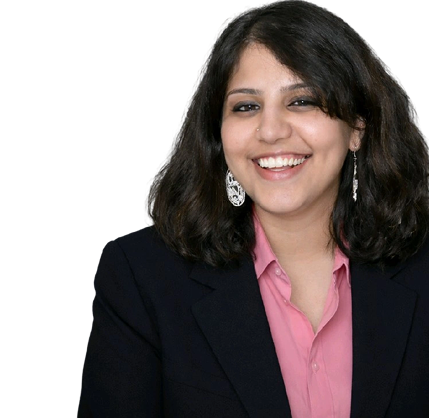
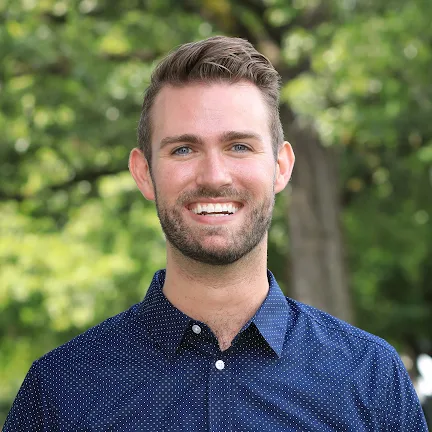
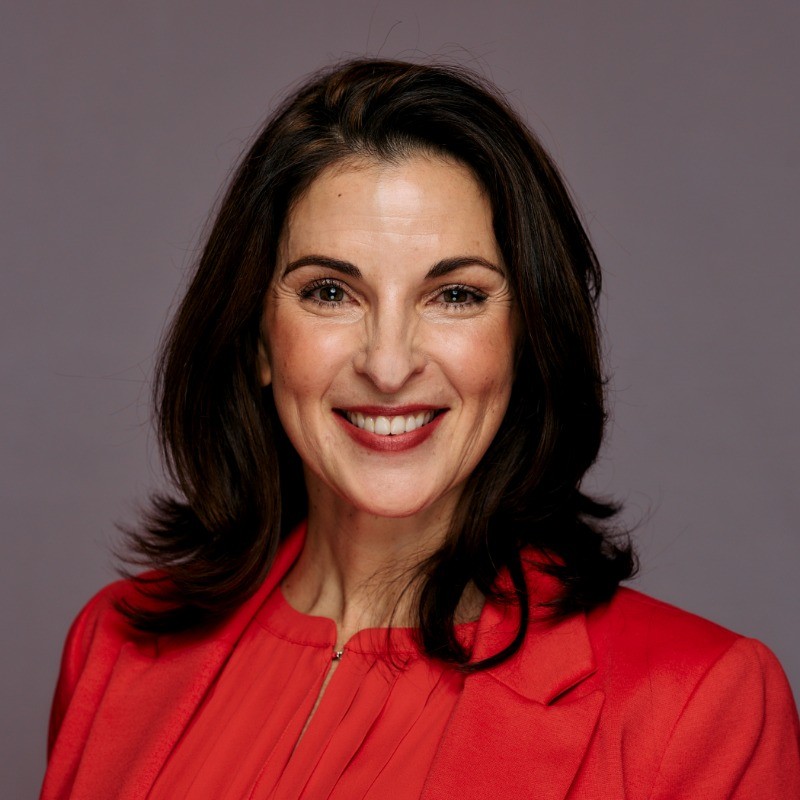
The new dawn of work is here. That's why the best and brightest HR and business leaders- Can you guys hear this in here? ... Write the future of work together. Join them under the Florida sun for bold ideas, energizing connections, and strategies that move you forward with purpose. Ready to shine a light on what's next? Register for Workhuman Live today! Well, hello, everybody, and welcome to our twenty twenty-six HR Trends Webinar. I'm Naomi Dishington. I'm a director here at Workhuman's Consulting Practice. My work, my team's work, and really our whole company's work focuses on helping organizations design work environments where people can do their best work. And that means, for us, that we use and read, and ingest a lot of data, we leverage recognition science very heavily, and we pull on behavioral insights, all in service to understanding what really drives performance at scale, what contributes to really great experience over time. So it's my pleasure to have with me today Drew Goldstein and Megan McConnell, both from McKinsey, both who led the recent Women in the Workplace research, which, for those of you who don't know, is kind of a comprehensive look at how the workplace is working, um, and how the systems are functioning, and how the processes are going, especially for women. So I'm really glad that you both are here. Thank you so much for joining. Before we kick off, could you both briefly introduce yourselves? Megan, I'll start with you, please. Thank you. Thanks so much, Naomi. It's really a pleasure to be here. Thanks for the invitation. So I'm a partner at-- in McKinsey's Washington DC office, and I work primarily in our people and organizational performance practice, where I ex- advise executives and public sector leaders, um, on their big organizational transformations, operational performance improvements, and their human capital strategies. Um, I've also, uh, been leading our Women in the Workplace report for the past two years, um, because one of my passions is helping organizations to build world-class talent systems that actually work for everyone in the workplace, um, and support workers, especially with the rapid technological advances, uh, and the AI that we're seeing right now. Can't wait to get into that in a little bit more detail. And Drew, over to you. Hi, Naomi. Um, thanks so much for having us today. I'm Drew Goldstein. I am also a partner. I'm in our Charlotte office, and I'm also in the same practice as Megan, People and Organizational Performance. Um, one of the hats that I wear is I lead our global organizational health team, and that's our approach to manage and measure culture at organizations. And then I also consult on attracting and retaining talent, how do you drive healthy and inclusive workplaces, and how are you structuring to perform and scale? And recently, I've been working with a lot of HR clients on how do we think about data and analytics for the future of work, and I'll share some of those tips and tricks today, and of course, how are organizations rewiring to prepare for the AI evolution. And then on a personal note, I'm actually quite excited and very proud that I am the first male co-author on this, uh, Women in the Workplace report. So thanks again to you and Workhuman for hosting us. That's incredible, and a, and a great title. So we've introduced ourselves. Let's introduce our trends. So when we talked about the future of work, it feels like we're always talking about the future of work, and we're always saying we're in it, it's now. Anyway, a year ago, when we talked about the future of work, uh, in twenty twenty-five, it sounded like three sort of distinct conversations. We talked about AI a lot, we talked about data, and we talked about culture. It feels different this year, going into twenty twenty-six. It feels like those conversations are embedded and decisions are embedded in the three of them together. They're woven in. How work gets designed influences how leaders lead in that environment, which then influences how people feel about it and how they're experiencing work. Megan, you said this is the eleventh, so this is your second year, but the eleventh year of the Women in the Workplace report- Yes ... as I understand. Could you share more about what you found unique about the twenty twenty-five research and w- why it matters as we think about the f- the fast-paced evolution of our modern workplace? Yes. So, um, this is the eleventh year, as you mentioned. Um, and Women in the Workplace is the largest study of women's experiences in the workplace, um, anywhere. And we do this w- in partnership every year with LeanIn, um, and that's been a long-standing partnership. Mm-hmm. And really, the goal is to take an empirical look at what happens to women across the corporate pipeline, right? Tracking their progress from entry-level to C-suite and trying to understand kind of where and why progress could stall in that representation through that pipeline. We also wanna understand the workplace practices and kind of the experience of what it's like to wake up and be a woman every day and go to the workplace, and how does that compare to male peers that are doing the same thing? Um, so this year, um, we, uh, had about a hundred and twenty-five companies participating. That covers three million, um, you know, employees, um, across the US and Canada, and we do an in-depth survey. We had about ten thousand respondents this year. Just so that as we're talking about this work today, you all have a sense of kind of the data behind it. We also did a rich set of CHRO interviews, um, to better understand this moment, kind of all the trends, um, some of the shifts in the cultural discourse about women in the workplace, um, AI, as we were talking about, right? There's a lot coming together, and so we do believe that twenty twenty-five was one of the most important years, um, to be doing this kind of research to understand what's happening. Um-... and we really think that there is a, you know, a pivotal moment right now of deciding or help companies making decisions about how much they're going to continue to commit to fostering the advancement of women, um, within their workplace. Yeah, from what I understand, there's been a little bit of a, I don't know if step back is too strong, but a, a shift this year or last year that we saw in terms of organizations' commitments to supporting women's advancement. So that is going to be interesting to see. Mm-hmm. Right. Or at least, or at least we're seeing initial, right- Yeah ... um, indications that that could be happening. And one of the important things that we've learned over the years is that, you know, Rome wasn't built in a day, and so if you think about pipelines and career progressions, all of these things take time. And so the actions that happen now or next year will have ripple on effects, right? Um, it took a long time to get to where we are already. We're not where we want to be. When we first started the report, you know, women in the C-suite were like seventeen percent. We're up to twenty-nine percent, but that's over eleven years. It takes time. Mm. So we want to make sure that there's no backsliding. Well put. So what it sounds like, the, what the research makes clear is that experience, and, and in this lens, we're looking at women's experience, but that can be a signal that when systems feel unclear, or that when opportunities are inequitable, or workloads in-- at work and outside of work become untenable, women sometimes feel it first, not because the issues are necessarily or inherently gendered in themselves, but because the design of work really exposes weaknesses or fragility sometimes at the margins. So when we talk about the future of work, it's, it's sim-- it's not enough simply to talk about what tools we're all using or adopting, 'cause that will change every three weeks, it feels like. But it's really asking ourselves: how is work being designed? Is it being distributed equitably? Are folks being recognized, or are they, are they being given the opportunity to recognize others equitably across our team? So let's start there with, with how work is being reimagined in twenty twenty-six, and, and really what happens when those three topics converge: AI, skills, and skills data, and then human connection. And that is our first trend. So we're noticing that work design is shifting. It's more collaborative, it's more cross-functional. There's, there's a flatter organizational structure in many, in many instances, and we can't deny that technology is becoming embedded in, in most of our everyday work. As that happens, one of the things, one of the opportunities I see is that leaders have a chance now, with all this additional data at their fingertips, to make work more visible, more transparent, and more fair. And when the right work is getting called out, when behaviors and contributions are being noted and, and appreciated in real time, people start to feel like: Okay, the system can work for me, right? Even me, or also me, or me who tends to be behind the scenes, or me who works remotely. And those folks then start to feel more aligned with their teams, with their work, um, they feel that sense of shared purpose. At Workhuman, one of our key goals is to make sure that feeling, that feeling of inclusion, reaches everyone in the organization, um, especially those who have traditionally or historically been unseen. And we see recognition as a beautiful path there. Our workplace survey recently indicated that those folks who have been recently recognized and who like their program, their recognition program, demonstrate dramatically higher levels of discretionary effort, personal investment in the priorities. They tend to be the brand ambassadors for the organization. I mean, it's incredible. So Drew, I'll pass to you with kind of this topic. What are, what are some of the... We'll start with the positive on all of this. What are some of the biggest improvements that organizations are saying they see as they are adopting AI more broadly? Yeah. So first, before I hit that head-on, I, I want to introduce you and the audience to a concept that we refer to as AI fluency. And AI fluency is the ability for employees to use and to manage AI tools. And one of the data points that I keep coming back to is just how quickly the demand for AI fluency has increased, I mean, quite dramatically. Yeah. And McKinsey recently published on this. Um, in the US, job postings looking for people who can use and manage AI, so AI fluency, have grown sevenfold over the past two years. Sevenfold, and that's faster than any other skill that we track. And what also stand out is this isn't just in the tech space. We're seeing it across industries, across functions, and across roles. So what's really stark, I think, is that we are actually at the very beginning of a huge transformational shift in how work gets done. So now the question becomes, uh, how are we seeing work get done, and what are the improvements already beginning in the shift, um, that organizations are perhaps capitalizing upon? Um, we have something called McKinsey Global Institute, and we researched this and looked at over the past year, um, what are some of those improvements that organizations are saying, "Yes, we've seen," and I'll list out the top five in order of the largest improvement that orgs are seeing. Um, number one is innovation. Number two is employee satisfaction. Number three is customer satisfaction. Number four is competitive differentiation. Mm. And number five is cost. And when I just paused, and I was like, number five is cost, I think when I talk to my friends and even my clients, they're like: "Wait a second, isn't number one supposed to be cost?" And I think that there's a lot of media hype that we see that organizations are capitalizing on this and that they're doing it always for cost. Um, but-... Not yet. I mean, it's number five on the list. It could rise to number one, time will tell, um, but it's not the largest improvement in what we're seeing with work and organizations experiencing today. It's so interesting, and I'm marrying everything you're saying with the fact, too, that we have five generations in the workplace today. Mm-hmm. And just the confluence of those two dynamics, I mean, it, there's so much to unpack here. I think in, while AI can improve, um, um, many, in so-- improve our work and our work lives in so many ways, there are those considerations to think about that your data and the, the data reveals, I think, in, in what you're sharing. Not everyone feels equally confident in their AI fluency, in their, uh, access to some of those opportunities to learn to be more AI fluent. And they may be also a little unsure that they'll be rewarded, their efforts will be rewarded, that the system will kind of work for them. I know the research showed that to be the case for some women, um, especially around what you're calling ambition. I had to take a few breaths- ... when I was like, "There's an ambition gap? What? Is that real?" Um, as a woman. But Megan, for the first time this year, you're defining the ambition gap in the work, especially at the entry level, with women saying they're less likely to want promotion because maybe they're, partly they're less confident that the system will reward them. Um, help me understand, am I understanding this correctly? Is ambition gap, is that really a fair term? And help us understand it a little bit better. Sure. Um, so you were not the only one to, you know- ... gasp. Um, as you mentioned, I mean, we- this is the first year we've ever seen an ambition gap. We have, and we've actually gotten a lot of questions about calling it an ambition gap, but we have measured, um, basically the level of ambition of men and women, um, over the years. And so, you know, we didn't wanna change the metric either, right? And so we saw that overall, women are about six percentage points less likely to want the next promotion, um, than their male peer. At an entry level, which, as you mentioned, was kind of the most distinct, it's eleven points. Now, once we'd triple-checked that this was actually what, what we were seeing in the data, and we didn't make a mistake, we weren't satisfied, though, right? We were like: "Well, okay, why, for the first time, is there one?" Mm-hmm. We also did a couple other things to basically understand women's kind of overall engagement. So when you look at motivation, right, motivation to do your best work, there is no gap between men and women in their motivation. Mm. When you look at commitment to their careers, there is also no gap. So this isn't about women- Mm ... um, necessarily, you know, becoming unengaged. There's something else going on. So once we kind of understood that, we then said: "What are some of the factors that could be driving this?" And in our analysis, what we found was that the thing that helped us eliminate the ambition gap statistically, was when there were equal levels of career support for men and women. So when men and women are both receiving the same stretch opportunities, the same level of sponsorship, the same level of formal career support, the same level of mentorship, the ambition gap goes away. And so we do-- w- we stand by the idea that there is an ambition gap, but there's also a support gap. And I think the good news is that these are things that companies, right, this kind of formal career support, is actually addressable. Um, and we would call on companies to start addressing it immediately. Yeah, absolutely. I, I think... I, I'm, I'm thinking about that broken rung idea, where women sometimes perceive that there isn't really a path ahead for them, so they distrust the process, and m- that might show up also in, in this ambition gap that you're calling out. So as... If we can get, if we can get over the term, Yes. As this ambition gap is forming, even as work is being redesigned and AI is opening up avenues for various ways of working, sometimes it sounds like it's, it's indicating there's something more structural that could be behind some of this in terms of the support. And your research, Drew, shows that one of the clearest places this does show up is in access to opportunity, or Megan, as you called it, the support gap. What's a crucial area that women are still missing out on, and what are leading organizations doing to address that? Yeah, great, great question, Naomi. So one area where we see women are still missing out on is sponsorship, and sponsorship is really important. Sometimes it goes unsaid as to why, but I'll share why. I mean, everybody needs somebody who advocates for them. Everybody needs a closed door opened by somebody who can give them access. Um, and also, Megan said it before, somebody to give them stretch roles and stretch opportunities and even promotions. That's why sponsorship is so important. And sponsorship isn't something that we think works, it's something that we know works, and we teased this out this year in the Women in the Workplace report. So what we found is that when individuals are sponsored, they're almost twice as likely to be promoted compared to those without a sponsor, and that's across the board that we've seen, so both men and women. However, this is where the deficit comes into place. Women aren't sponsored at the same rates compared to their men peers. Mm. And when they are sponsored, it's less effective at times. So what's especially striking is when we look at the talent pipeline and where that gap exists, and it exists at the entry level and also at the highest senior ranks. And yes, it's in between, but that's where it's most prevalent. So when we look at the entry level, women are about fourteen percentage points less likely-... to have a sponsor compared to men. And then at the senior ranks, that gap is a little bit smaller, but it's still quite large, with an eight percentage point difference for women. So again, the gap is widest at the beginning and at the most senior ranks. And what we're finding, 'cause we obviously don't wanna just share problems, we wanna give you some solutions, and you also asked, thank you for asking, Naomi- Mm-hmm. um, is that organizations that are leading are being much more intentional when it comes to sponsorship, because sponsorship has to be deliberate. It's not going to be happening through osmosis, right? Mm-hmm. And organizations have to explicitly design and state what is it. So I'll, I'll leave you with three maybe tips or tricks or practices that organizations can put into play when it comes to designing sponsorships. So one is, they can be creating formal sponsorship programs and even doing matching for sponsor and sponsee. The second piece what they can do is really set clear expectations and goals, and those expectations and goals, again, can be for sponsor and sponsee. 'Cause sometimes I think organizations are disproportionately defining goals and expectations for one group versus the other, but it's a two-way street. Um, and then the third piece, I would say, is really about training and building capabilities, again, for sponsor and sponsee, so that they understand what it is, how you define it, and how do you build healthy and trusting health relationships in the workplace. Those are so great, and I guess my question is to help me understand, and maybe our audience understand, how is sponsorship different than... Organizations might say, "Well, we have a mentorship program. We have coaching programs. We have buddies." What is the fundamental difference that we need to be thinking about as women in the workplace in securing or even advocating for ourselves to get a sponsor? Or does it go in the opposite direction? Do sponsors that-- do you-- should their onus be on leaders within the organization? Should it be part of new hire programs? Like, how can we ensure that folks get paired up? Yeah, I, I do think that there is a difference between mentorship- Yeah ... sponsorship, and even apprenticeship, right? Because when we think about sponsorship and mentorship, I think everybody can be a mentor. Um, you can mentor even people above you, below you, to the right of you, and to the left of you. Um, and that could be getting coffee and just giving advice to a friend or a colleague. But when it comes to sponsorship, sponsorship really is about somebody who has power and influence to be able to give you access. Typically, it's those above you. It doesn't always have to be, um, but that's why it's somebody who's giving you access to those stretch roles, those opportunities, or even when I talked about career promotion or advancement, and that's why our stats are the way that they are. Mm-hmm. Um, but I do think there needs to be formality into what you're expecting, how you're expecting it. Yeah. And even some organizations we're see are integrating this into their values or to their core competencies- Mm-hmm ... so that they're saying, "Hey, it's not only something that we're just saying it matters or is it nice to have, but we wanna make sure that people are doing it, and that it's ingrained to every essence of our being and how we run the place." I love that. I love that intentionality in putting it, in embedding it right into the core values. That's beautiful. So what all of this points to is that visibility in this way isn't really just about recognition or just about sponsorship, but there's the-- there's a signal quality that we need to look at and that leaders need to rely on to make decisions. And if we're not getting good signals, we're not able to make, uh, as great decisions. So I think that that leads us into our second trend on data, and really, this idea of data becoming shared intelligence. In my work, I mean, we work with a number of organizations globally every week, and I don't think I've ever heard, um, "We don't have enough data. We don't have enough..." It's always, we have so much. It's so much noise. It's hard to pull out the meaningful signals. Help us sense-make, so that we can make daily decisions in the flow of work that feel accurate and that feel honest, right, and authentic. Um, Gerald, I'll go back to you on this one. Many-- I, I think you'd probably agree that organizations are collecting more data than ever. We have so much at our fingertips. What's the difference between leaders and leading organizations who use that data strategically versus just those who get louder with it? Yeah, and I just want to underscore or perhaps validate that, Naomi, that one thing we see, yes, organizations are really good at collecting data, and they're really good at talking about the data that they collect. Yeah. But fewer of them are using data in the right way and are drawing insights that can drive meaningful change and actions. Yeah. And we saw this, uh, in the Women in the Workplace data. Um, so on the surface, some of the data could look overwhelmingly positive. Um, one of the things that we saw was that, um, more than eight in ten organizations say inclusion is a top priority. But as we start to dig a layer deeper and another layer deeper, uh, another story starts to emerge, because only about half of the organizations are saying that advancing women is a top priority, and e- even fewer are saying the same about women of color. So that gap between what organizations are saying and what they are prioritizing is where the data starts to truly break down. Now, we also looked at companies in the top quartile and bottom quartile for representation in their talent pipeline. So top quartile being top twenty five percent, bottom quartile being the lower performers, bottom twenty five percent. Mm-hmm. And the difference between the two groups, right, the good and the not so good or the bad, however you wanna describe them, wasn't that they didn't collect data, 'cause they all did say that we collect data. The real difference was truly in the how they were using the data, because the top performers were not only focused on just the inputs, but they would become overly obsessed about the out-... outcomes that they're trying to define and that they're trying to drive. So they would ask themselves: Are these initiatives actually working? And look at the data, and then they would say, "If not, what are we trying to do to change in that process?" So I'll leave you again with a couple of thoughts of, of how organizations can be proactive with this. Um, using data strategically comes down to a couple things. I would say, one, having regular, open, honest conversations about what the data is actually telling you, right? And asking why, why, why, and going layers deeper, like I just mentioned. Um, I would also couple with that one about data transparency, so that multiple people can have their eyes on the data and looking at what it means and what it's telling you. The second thing would be around course-correcting action when things aren't working, and also being open to the fact that perhaps you're not collecting the right data, and you need to collect the right data. And then when you course correct, you need to remeasure and then measure again. And then the third piece would be making sure that the insights are reaching decision-makers, the people who can actually do something with it and act upon it. I think that's a very practical take. I love it, and I think, um, as AI helps us kind of pull down some of the silo walls, data becomes more accessible to the group, the broader group, and that can become-- I mean, we, we believe that can become a shared intelligence very quickly, right? Yeah. Our customers tell us that the one way to access some of that data as an- an enterprise-wide, is through recognition moments. If-- w- without the voice of the crowd, right, that insight is... the access to the data is limited and locked in a really kind of small group of decision-makers, maybe at the top, and decisions get made then far away from where work actually happens. Right. So when leaders, when managers, when teams and individual contributors can see what's really driving performance across their team, what's getting rewarded, how do I get a pat on the back around here? You know, growth can occur and better decisions can follow. So we, we feel that data becomes intelligence and really valuable human intelligence when it reveals how work is actually getting done. And when those insights are being shared, organizations a- as a whole can get smarter and, and lean into a more fair approach, a more consistent approach, and I think that builds trust, w- access to data more broadly, um, shared across, ac- across organizations. And that trust might be the, the pivot point that we use to lurch into our third trend, um, on that idea of psychological safety, because trust really is a vital piece of that psychological safety. And I know we, we heard a lot about psychological safety. I think ever since COVID, it became a really buzzy term to, to use. I think now, and the way this trend is looking at it, it's really more as a competitive advantage. Um, we see it certainly not as a soft outcome, but really a meaningful, um, demonstrable performance advantage. Because all of this with AI can feel daunting at times, and we know that every change in work, I mean, we can sit here and talk about on a HR trends webinar, but we know that any change ultimately shows up in how people feel at work, and those feelings matter. Those feelings go somewhere, right? How safe do I feel to raise my hand and experiment with a new process, or to lead an exploration into how we could do this better with AI? That can still feel daunting in many organizations. And so if people don't feel seen or supported, they'd be less likely to raise their hand and take some of those risks. Amy Edmondson will be at Workhuman Live this year, our annual conference. We really appreciate her work and her- and her talks. She calls it the learning zone, where you're in that a little bit of a stretch, but not too much. You feel safe and supported, such that you'd be more likely to lean in and to try new things. I mean, Drew, one of your-- I think the number one was innovation, right? That we're looking- Right ... at the top of that list. I'm much more likely to take risks and be innovative or try to, to lean that way if I feel supported, safe, included, and I'm in... I, I have a seat at the table, right? So how are you seeing organizations manage readiness, I mean, m- men and women, right, a- across our teams, to embrace this change? Yeah, I, I love the conversation and the question around AI readiness, and we've been doing a lot of research on how do we make AI stick with employees. And I would say the, the lesson overall is pretty clear, that even the best AI technology, it's going to fall flat if we're not thinking about how to bring employees along in that journey. And I've been leading some of our latest research on how do we bring employees along in that journey, and how do we even assess, measure, or manage their readiness. And we have been uncovering two levels or two sides of the coin when it comes to employee AI readiness. Um, there's organizational readiness- Mm ... and then there's the individual or the employee level of readiness, and I'll quickly go through each of those. So first, there's the organizational level, and the main question that organizations should be asking is, your organization prepared to fundamentally rewire how it operates to capture the value from AI? And when we say operations and AI, um, how are you thinking about redesigning workflows to be AI first? Um, the thinking or rewiring of-... skills and responsibilities. There's also the leadership capabilities. You have to teach them how to do and enter into this new world. Um, and there's also, and organizations are gonna have a difficult time at this, thinking through and rewiring even the structure of how you get work done and the governance associated. And then HR professionals are going to now need to be thinking about the HR systems, because they're not only going to be about just the workforce and the humans behind it, but now we're entering a human and agent workforce. Mm-hmm. So that's the org level inside. Yeah. Now, when we talk about the individual and me as Drew Goldstein, the question here, and you started to allude to this, Naomi, is- Mm ... are your employees ready to work differently with AI? What are the conditions or the enablers that you have in place? We talked a lot about the AI fluency that you have in place- Mm ... and how do we tap into their intent or their intention to use and leverage AI? And that will be a lot around how are they encouraged to experiment, um, and, and also are we giving them the, the capacity and time to experiment and try new things? Um, and also, how are we making them feel, um, safe in that journey, um, but also teaching them about the risk associated? 'Cause there are a lot of risks, um, in our day-to-day when we're using AI. Um, and then how are we thinking about using AI to solve problems, but also what problems we shouldn't be solving? Um, and then last, I, I would be remiss if I didn't say it's gonna be difficult for employees to let go of legacy ways of working and think about their willingness to try new behaviors, so hitting the nail on the head with the psychological safety. And I think it's a lot easier sometimes for us to talk about these things, um, but it's going to be, again, quite difficult 'cause people are working with agents now- Mm ... and agents are going to be working with other agents and other machines alongside one another. So I'll, I'll end the, this question with a stat, because we're McKinsey, um- Sure ... to share how the stakes are real. Um, our research, uh, suggests that two point nine trillion dollars in US value could be unlocked from AI by twenty thirty, but that's only if we are bringing and preparing people. Yeah. That's breathtaking. I can't remember where I heard it, but last week I heard a phrase that stuck with me, and it had to do with the way that we even learn to become AI fluent, and that the, the way that we-- adults learning will be more about immersion versus instruction. Mm. So it's not gonna be, "Let me sit down and walk you through one, two, three, how to... You know, this is how you learn." Mm-mm-mm. It's gonna be jumping in, either on the deep end or the shallow end, but you're, you're getting in there, and you're experimenting. And that by itself takes a lot of courage for some more than others, depending on how psychologically safe you feel. And, uh, in a recognition culture, we would say we have a tool to support that, right? If you're shining a light on those folks every week that you see taking a small risk or shaving five hours off a process because they're using AI, and they're sharing that, and we're broadcasting that out to the group, it's a communication channel also to the organization: "Hey, it's safe to do this. It's safe to try. In a clumsy way, get started," and it's an encouragement. So Megan, I, I wanna come back to you on this because your work shows that senior-level women specifically, we talked about them in the previous conversation- Mm ... but again, show the highest level of burnout and feel more concerned about their job security. How does that reality fit with this encouragement? We're asking folks to take more risks and do more, or it might feel like do more. Where do you see that showing up? Um, yes. So, I mean, burnout is something we've been looking at, you know, at, at least since COVID. Um, and some folks might say, "Oh, I-- we're tired of talking about this," but the sad fact is it's there every year, and it seems to be getting worse, especially for certain populations. And as you mentioned, um, in our most recent report, senior-level women, sixty percent, so they were-- felt burnt out at least once in the past few months. Now, senior-level men are also burnt out, I should say, right? Um, women are more burnt out. There's about a ten-percentage point gap there, but when one in two senior-level men are also reporting high levels of burnout, right? I mean, this is, this is across the board. Um, but when we dug into the women, right, why might this be happening, one of the things, um, that we understand from our research is that they feel like they face a lot of extra scrutiny and constantly needing to prove that they deserve to be there, right? So they've reached, um, one might say, the pinnacle of their career, or, you know, they've climbed the ladder, right? They got off-- they missed the broken rung. They did it. Um, but, you know, and especially if they've taken a newer job or moved organizations for that promotion, right- Mm ... that it's re-- there's really this sense of anxiety, um, about performing and whether or not they'll kind of be given the same opportunities to mess up and recover that they see their male peers getting, um, or is it a one-and-done kind of situation? Yeah. Um, and so I think that, you know, that ties into the burnout. It also ties into this idea of job security, and we do see, you know, that senior women feel less secure in their jobs than their senior male counterparts. And if women are in-- senior women, specifically, are in that posture of burnout and concern, are they-... right, not as likely to lean into the convers, lean in to the conversation about AI, and will their voices not then be a part of forming that that workplace future for all of us, right? What, what are the risks there? So I think there, there are a couple risks. Um, you know, one is that there are also, um, you know, we have other research on this, but if you look at the distribution of women in those executive or those senior roles, right, they're disproportionately not in the technology and the AI space. Mm-hmm. So there's one piece about where, where they actually are. Then there's a second point, as you raised, Naomi, about their willingness to speak up, the ability to. The other thing that we're noticing, and this isn't just at senior levels, but our, our research from this year, we actually asked women and men how much they're being encouraged by their managers to use AI. Um, and what we're already seeing is a gap, about a seven percentage point right now, but we are seeing a gap between men and women, where men are, are more likely to be encouraged by their manager to start using AI in their jobs, right? And again, as we talked about, Rome not built in a day, but you could imagine this snowballing- Right ... especially if you start from entry-level forward. Yeah. The other thing we asked both men and women is kind of, how do they think this technology is gonna impact everything from their future employability- Mm ... to, you know, kind of their opportunities, their career advancement, whether it has the potential to make the workplace more, more fair. And on every dimension, women are less optimistic about the prospects of AI- Mm ... than their male counterparts. And I don't think that the takeaway from that should be that women are Luddites, right? Um, I think that you look at a system which they already feel like isn't fair, you add this technology and even initial small differences in how men and women are being encouraged to use this technology- Mm-hmm ... I think it's very reasonable for women to say, "I'm not yet convinced that this is gonna make life better." It could very well be. I've heard a term recently called, um, portfolio career approach, so that women are kind of less trusting of the conventional corporate climb scenario, and kind of saying, "I'm gonna keep a, I'm gonna keep a, a, a hand in that just for security, but I'm also gonna use AI on my own outside of the, the day-to-day to do my own thing," right? Whether it's becoming an influencer, or starting a podcast, or it diversifying, l- leveraging AI outside of the workplace. And I think that w- that's a really interesting reaction as well. I don't know if you've seen that at all or, or heard anecdotally, that some women are just opting out of that conventional approach, and they use AI on their own. Yes, and I think that women are, are smart, right, and entrepreneurial. Um- Yeah ... and I have no doubt. I think the, the part that just, um, gave us pause was there are already, like, more systematic things happening- Yeah ... that skew towards men. Um, not that the women aren't interested in using it on their own or necessarily need a manager to encourage them- Right ... but it gives a data point of, okay, is the system already tilted, right, in a way in which fifty percent of the, you know, of the population, right, might be slightly left behind or left- Mm ... to their own devices? Yeah. Um, which doesn't, which doesn't seem fair, to go back to that idea. There's a messaging, too, around if you're already burnt out, at whatever rate, male or, or, or female, and you're already overwhelmed with projects, and tasks, and deliverables, and deadlines, and it's Q1, uh, how do you cr-- how do you convince yourself almost that a little bit of investment now in, in becoming more AI fluent is actually a path out of the overwhelm that I'm feeling potentially? Um, that's gonna be something I think we're all gonna be wrestling with and, and trying to figure out, how much time can I save myself later with a little bit of investment now? And, and recognition plays a powerful role here, too, not just as an add-on and shining a light on what's good and what's working in the organization, but as a signal that that effort matters, that that growth is being noticed. It, it is a way for, I think, women especially in this topic and this conversation, to have equal access to that, that exposure to the various jobs, to have their skills highlighted and demonstrated across the organization. Because in the end, I think we all agree, performance isn't best driven by pressure. It's comes from trust, and I think that's really what we're talking about here is, right, do I, do I have my leader's trust? Do I have the trust of an invitation to participate? Um, so let's start transitioning to, to our close here. If psychological safety can feel a little buzzy, as I said, but if it was something you could see instead of just measure, what would it look like on a real team next Tuesday at three pm? You know, how, how would I, how would I know it when I saw it? Yep. Uh, well, if you were, you know, to be a fly on the wall or some AI bot watching us- ... I don't know. I don't know where the world is headed, right? Um, but I think you would see a team in which there's a lot more questions being asked, right? A lot more admitting, "I don't know," a lot more throwing out hypotheses and asking for feedback. Mm. Um, you would see probably all members of the team participating. I don't want to say at equal rates, 'cause some people are introverts and some are extroverts, right? But you would see everyone having that seat at the table. You might also see, you know, in the cases where someone said something, and five, ten minutes later, someone says the same thing, you might see someone say: "Oh, oh, Mary said that, you know, five minutes ago." "That's great that you're building on her idea," right? You might see those subtle ways of making sure that people are getting credit for their contributions, um, but in a non kind of, you know, aggressive or, or accusatory way, just as a natural part of the conversation, right? Yeah, you said that so effortless, like you practiced that one. That was so good. That's slick. ... Uh, and I was gonna say, and you also see, you know, every member of the team at every level, so whether they're the senior-most or the junior-most, participating much more like peers. That doesn't mean you get rid of decision rights and where the buck actually stops and who's accountable, but when you're having a discussion, or you're problem-solving, or you're trying to move the ball forward, right, you're equally considering everyone's ideas and everyone's approaches. And, um, you see people not acting from a place of fear that any mistake, any misstep, right, is going to immediately get them yelled at or, or, like, shut down in the conversation. So that, I think that's the picture that you would, you would see. We can almost take a page out of AI's language in the chat, like: "Oh, I see what you meant. Oh, you meant this- Yes ... let me pivot. Oh, yes!" Right. It's almost that, right? So if we look at all of this together, we're looking at how work is being redesigned, that feels like a daily evolution. How intelligence is being shared- Mm ... which I think calls all of us as leaders to the table to say: Are we providing access? Are we promoting visibility across a- all the, um, groups that, that we lead? And then finally, how people are experiencing those changes. Are we sensitive to that? That's something only a human can do, to be- Mm ... sensitive to the impact on our people, right? It-- I think we've made it clear that performance and inclusion are deeply connected here. It also becomes evident that quality human data can uniquely signal, whether it's ab-- from women or not, uh, or, or, or just across the, the organization, can uniquely signal real-time insights to leaders. And the more access they have to those real-time, authentic human moments, the better quality decisions they can make. Um, so thank you, Drew and Megan. Your research really helps us look at the trends through the lens of how these are working in practice, not just in theory, so I, I appreciate that. I think we've all, um, agreed that there's competitive advantage when organizations can move more purposefully towards, towards the human. So for all of our listeners, if you wanna learn more about the Work Human Workplace Survey and McKinsey's research, scan the QR codes that are on your screen, and they'll also be sent out to you as a follow-up. But, uh, Drew and Megan, as we wrap up and look ahead, I wanna land on a, on a high note: What do you-- as you think into twenty twenty-six, what gives you the most hope about how work could feel different this year? Uh, Drew, I'll start with you, please. Yeah. Um, I, I love end- ending on the positive note. Um, so as Megan was sharing at the beginning of the conversation, we had the pleasure of interviewing dozens of chief human resource officers, um, from the Women in the Workplace research. Mm. And we specifically talked to them about this moment in time, and what genuinely gives me hope is that all of those interviews that I conducted, every single one of those executives said: "This is a moment that's changing the conversation, and it's forcing a new conversation that's gotta be had. And it's forcing organizations to really rethink and rewire how they're doing work and not just talking about it." Um, and as part of that, it's also shifting where even inclusion in some of the human activity is even living. Historically, it has been in the HR space, and yes, HR can continue to be a lever or an enabler, um, but this should not be an HR standalone initiative. And all the CHROs are saying, "It's now being embedded across all of our business units and functions and integrated, uh, much more meticulously," if you will. Mm-hmm. And now organizations aren't treating inclusion as a nice-to-have. Uh, uh, it's going back to: How do we make folks accountable, uh, for inclusion through our performance management? How are we going back to making it part of our values? And how are we integrating it into all of our capability building so that it's not a standalone? So when I zoom out, and since we talked a lot about AI and in the context of AI, this is where I become quite optimistic because AI is gonna take over all that technical and transactional work. So what's gonna be left is gonna be deeply human, right? It's gonna be deeply personal. It's going to be about collaboration, trust- Yeah ... judgment, relationships, and I really hope I don't have a relationship with AI, and that I can keep talking to humans. But I think that those human interactions are only going to work at scale if inclusion continually, truly is real and authentic. So that's my hope. It's beautiful. Megan? Um, well, I have two. So I would just, uh, foot stomp what Drew said. I really do agree, to start, that I do think that, um, the AI can free up people to do much higher value add, much more meaningful work, which all of our research says that people really, especially these next generations, really want meaning, um, when they're spending eight, nine, ten, twelve, eighteen hours a day working. Um, and so I think that actually is a huge amount of hope to not be pushing PDFs, right, or just sending emails all day, but to do something that's fundamentally more human. Um, the second thing is, and Drew mentioned this earlier, we looked at the top performers in our research. Mm. And the thing that is really inspiring is, it's not like they've topped out. They continue to make progress, right? And so the ones that have committed, the ones that are doing the things that we know work on having fair hiring practices, fair promotion practices, creating the psychological safety, right, equal support for AI and for careers for men and women, right? They're making progress, and they continue to make progress. Mm. And so I take that as a real note of inspiration, um, that it can be done. ... Excellent. Thank you so much, both of you. This has been really, really fun. In the spirit of recognition and gratitude today, because that's what we're all about, I wanna thank both of you, and I wanna thank everyone who joined today for being part of the conversation, for leaning in, helping shape a future of work that isn't just smarter and more efficient, but also much more human. Thank you. All right, well, we are back. Let's move into some Q&A. I saw the chat very active during our discussion. It's sometimes hard not to be looking, but I did peek ahead a little bit, uh, so I wanna try to think about answering at least one question to kick us off, and then, uh, Drew and Megan, we'll kind of round robin it, if, if that's okay, and we have just a few minutes, so maybe we'll each take one at least. But the, the one I saw a lot of, uh, chatter around was, was really on that psychological safety piece. So one question is, um: "You talked about psychological safety and how AI is getting baked into everyday work. What can leaders do differently next year to make it actually feel safe to experiment?" I love that question because it really draws on the practical takeaways. I think, I haven't had a lot of time to reflect on the question yet, but I think that really leaders-- I, I would encourage leaders to remember that psychological safety is earned, and we need to earn it in many daily interactions that we have. I think leaders can model the behavior. We place a lot of emphasis, um, on Brené Brown's work around vulnerability and courage, and for leaders, many times that means going first. I remember hearing a-- an example that leaders can start what they call a Mistake of the Month Club, where you're-- you own the club, you are the club, and you go first, and you share. Here's where I took a risk this month. It might not have, um, delivered the outcomes that I had hoped, but here's what I learned through it. And I-- it's always stuck with me because I thought, gosh, when leaders can admit that, it, it makes it so much safer for the rest of us to feel like we can also share, and I think that will be very key with AI specifically, because it's a new frontier for so many of us. Um, the other piece, I think, is recognizing the attempts, not just the outcomes, and doing that publicly, so we can all see that it's worthwhile to try. Trying is the goal. Uh, so I, I think those two pieces are really important. And then just reflecting a little bit on all the comments that were coming in during the sponsorship conversation earlier, I think sponsorship could be a way that we lean in to really show a structural support for safety, um, to be more proactive there. I was personally inspired, um, by, by some of the, the feedback that Megan and Drew were sharing on that piece, so I'm gonna-- I have some action steps for myself that I wanted to take away. So I hope that touches on some of them, kind of pulled some of them together in, in, in one answer. But, Drew, over to you. Maybe do you wanna look through some of the questions that came through and pick one? Yeah, absolutely. And I would like to subscribe to the Mistake of the Month Club. Uh, sounds very, very cool and something that I also wanna implement with my teams. Um, so the, the question that I will answer, 'cause I saw it, um, come up a couple of times, um, and I'll couple two together. One was around: What's happening with employee resource groups, um, and what is our research showing? And then the second was around budget allocation when it comes to diversity, equity, and inclusion. Um, so I'll answer the second part about the budget allocation, um, 'cause we-- I mentioned we interviewed a bunch of chief human resource officers. We also had an HR policy, practice, and procedure survey that we administered to organizations to understand what's happening, um, with what they're doing today. And what we have found is that the budgets have primarily stayed the same. I think that a lot of, um, organizations or individuals think that it's decreasing. We saw very few decreasing, and we did also see very few increasing, but there were some. Um, how they are allocating those resources does look and feel a bit differently. We're seeing a lot less resources go towards diversity, and much more of those resources go towards inclusion. Um, so now, what's happening with employee resource groups? Um, a lot of my clients think that employee resource groups are shutting down, um, because of a lot of what they're seeing and observing in the media. Um, that couldn't be farther from the truth. Um, we're seeing a lot of growth and even momentum in employee resource groups. Um, specifically, we saw that in our research, ninety percent um, of organizations are saying that they're expanding their employee resource groups or even launching employee resource groups for the first time. Um, I would say, though, we are seeing a difference in how they're structured, um, because traditionally, while they were identity-based and focused on specific communities, there was also a disparate space for the allies with those communities. Now, we're seeing it merge together and that a lot of employee resource groups are just open to everyone to be more inclusive. Um, and we're also seeing, um, new types of employee resource groups emerging, um, that are experience-based, things like parenting, caregiving, volunteering, even ones for pet owners. Um, and I'm a huge pet owner, so I would join an employee resource group there. Um, but again, I think it's a great sign that there's still going to be, um, a source of community, um, an employee voice, and, and really insights for an organization to draw. Megan, I'll pass the mic to you to answer a question. Thanks, Drew. Um, all right, so the question, uh, that resonated with me was around, you know, what can employ-- uh, employers and companies do to, you know, to support everyone amid rapid changes to the workplace? Um, and I was struck by this question because in our research this year, um, obviously, the focus, uh, was on women, but we really were looking for the places of commonality and where kind of the actions have multiple benefits or a rising tide lifts all boats, however you, you wanna frame it. Um- ... And, um, the one that stuck out was that ninety percent, um, plus of respondents, man, woman, however they want to identify, um, said that fairness in the workplace and inclusivity was really important to them. Um, they thought it was important, uh, that it be there. They also thought it should be a priority for the companies they're working in. And so there, you know, I think there was a question about, like, sociopolitical dynamics and all that, but you can see that that's just a common baseline that pretty much every employee thinks is important. And I think especially amid rapid change, um, in technology, um, you know, whether you're in the office, go- back in the... like, or working from home, or your company's in the middle of that flux or whatever it is, having that anchor that the employees can trust that whatever your- the company is doing is in the, is b- is going to be with the thought of fairness and the thought of inclusivity as they do it, right, means that you have the trust and the willingness to go along, even if, even if the future is somewhat uncertain, which I think is what a lot of companies, honestly, are facing and employees are facing with them. The other thing I would say, though, as reading that question is, I do think that some groups are facing more uncertainty than others, and so, you know, especially entry-level employees, if you think about, um, kind of the AI, it's coming for their jobs first. Um, and you also think about just some of the other data from the report about not getting as much support, men and women, especially women, but overall, like, that's an under, um, kind of supported group, um, that's really facing a crunch, and so definitely don't wanna be just focusing on the top. It's, uh, it's-- I feel like we could go on and on. This has been good. We got, we got one each. They were kind of meaty, and if the engagement in this chat is any indication of where the workplace is going, we're in great shape because there has been so much goodwill, so much connection, so much curiosity. It's beautiful. So just a reminder to anyone on, I'll give you a couple of minutes back. Some are jumping to their next meeting. Uh, just a reminder to anyone on, we will be sharing out the slides, the recording, and the links to the reports that you saw. So I saw some requests as we went through for additional time with the slides. You'll get those very shortly. Thank you all so much again for your participation. Well, thank you so much for joining us today. Um, again, here are your codes. Um, I hope you, uh, enjoyed that conversation. I know I got a lot out of it, and I appreciated everybody hanging on to the very end. I know we had some technical difficulties, so thank you so much for your patience, and, um, we also will be emailing you the codes and all the information from today as well. So thank you. Have a great rest of your day, and I hope to see you in the rest of our events coming up. So bye-bye!

.jpg)
.jpg)
.png)