AI Meets Empathy: How to Support and Empower Frontline Workers in the Age of Automation
AI Meets Empathy: How to Support and Empower Frontline Workers in the Age of Automation
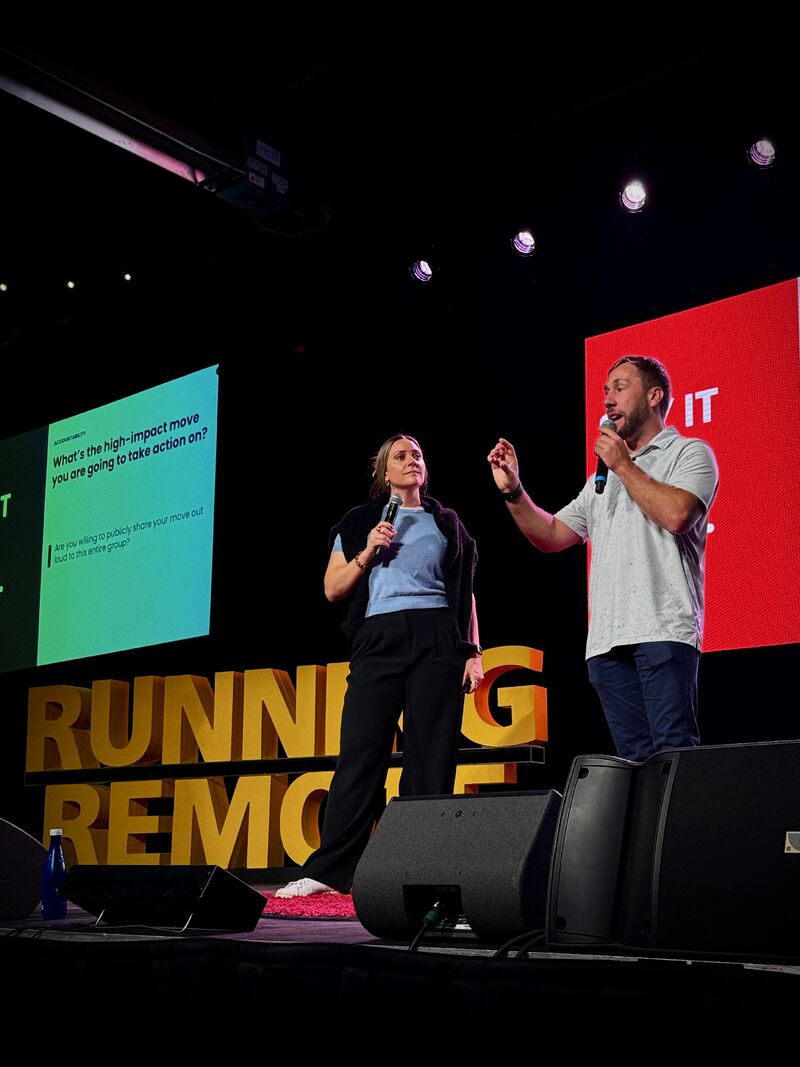
As AI adoption accelerates across industries, frontline workers are experiencing this transformation in deeply different ways than desk-based employees. In this research-driven webinar, Achieve Engagement partnered with Deputy to explore how organizations can introduce AI responsibly—while preserving trust, empathy, and human connection where it matters most.
Drawing from new global research across healthcare, retail, hospitality, and food service, this session examined how frontline employees actually feel about AI, where trust breaks down, and what leaders must do to ensure technology enhances—rather than erodes—the employee experience.
Session Recap
This conversation unpacked findings from Better Together: How AI and Human Intelligence Can Transform Frontline Work, a global study of frontline workers in the U.S., U.K., and Australia. The discussion centered on a powerful theme: frontline workers are not afraid of AI—but they are wary of being excluded, uninformed, or displaced without clarity.
While AI is already embedded into many frontline systems, most workers don’t explicitly recognize it. This “invisible adoption” creates both opportunity and risk. When AI quietly improves scheduling, reduces admin work, or optimizes workflows, it can ease burnout. But without transparency, training, and communication, that same technology can fuel mistrust.
Leaders emphasized that AI must be positioned as support—not substitution. The most effective organizations are treating AI adoption as a change-management journey, not a one-time rollout, and are actively involving frontline employees in the conversation.
Final Thoughts
AI alone will not transform frontline work—leadership will. Technology creates potential, but trust, empathy, and communication determine whether that potential is realized. Organizations that succeed will be those that pause, listen to frontline voices, train continuously, and treat AI as a partner in building more human-centered work.
The future of frontline work isn’t AI or people. It’s better together.
Program FAQs
1. Are frontline workers afraid of AI taking their jobs?
Most are not. The greater concern is being excluded from decisions and training.
2. Why don’t many frontline workers realize they’re using AI?
AI is often embedded invisibly into scheduling, forecasting, and workflow tools.
3. What builds trust during AI rollouts?
Clear communication, transparency, training, and employee voice.
4. Can AI reduce burnout for frontline workers?
It can help with admin work—but burnout is primarily driven by staffing and scheduling issues.
5. Should AI strategies differ by industry?
Yes. Healthcare, retail, hospitality, and food service have distinct priorities and sensitivities.
6. How should organizations involve long-tenured employees?
Engage them early as change agents or AI champions.
7. Why are part-time workers at higher risk during AI adoption?
They’re often excluded from communication and training, leading to mistrust and turnover.
8. Does AI replace empathy?
No. Workers overwhelmingly believe empathy must remain human-led.
9. How often should AI training happen?
Continuously. AI changes too fast for one-time training.
10. What’s the biggest leadership mistake in AI adoption?
Treating it as a technology rollout instead of a change-management journey.
All right. I am really excited to be here on another Achieve engagement webinar. We have a very exciting topic today that just becomes more and more relevant over time. I mean, AI and its impact on the workforce is perhaps the most relevant topic in today's economy and workplace. I mean, like, basically % of our work now is on ai because it is, is something that is on everyone's mind. It's affecting everyone in, in various ways. And, and today it's gonna be a great day to see how it affects the frontline workforce based on new research and efforts that we've, uh, you know, focused on with a company called Deputy. Um, I wanna thank everyone for joining us today for this exciting webinar about who organizations can introduce AI responsibly and build trust with their frontline workforce to ensure that employees feel informed, supported, and empowered through this massive, massive change. And it's happening quicker and quicker, it seems like, every year in terms of the adoption cycle, in terms of people's general awareness. Um, as I said, you know, we partnered with Deputy, the world's leading workforce management platform for hourly work on this exciting research study. We call it better Together, how AI and human ion can transform the frontline work. And I think that that's, that's a very important title, right? Because it's not about AI versus human. It's about how to, how do humans and AI work in unison together for the betterment of the workplace, right? Creating more efficiencies, but also not forgetting the role of the human, especially when frontline work, you know, because frontline workers are so customer facing. So I think that that's really important and makes it even more relevant. And obviously, like we've done enormous amounts of work on AI over the years, even since, uh, was our first AI study things, things have, you know, obviously changed since then. And I think the emphasis on frontline work is truly unique, uh, and in a sea of office, uh, worker AI data that's out there. So I'm gonna be sharing the results with my friend, uh, and deputy, uh, colleague here, uh, SIL Dasani, who's the deputy's Chief People Officer. And really our goal today, I'm gonna be sh we're gonna be sharing the results of the study and the implications. And, um, s Joel is going to really show you how they impact, you know, deputy customers, deputy workers and, and just overall insights from her experience, uh, many years experience in the, uh, the HR field. So it's great to have you gel. Thank you, Dan. I'm excited for the conversation, uh, a topic that's close to, uh, end dear to my heart, AI and our frontline workforce. Yes. And be sure to leave a question throughout this, uh, conversation and presentation. We'd love to hear your view on the data and, you know, if anything kind of strikes a chord with you or you're seeing, uh, how these results impact your workers, we'd love to hear those stories and insights and any questions that you have. So feel free to leave those. Um, it, you know, we'll get started with the study itself. Uh, the methodology and, and really the purpose, the purpose was obviously to uncover the impact of AI when it comes to the frontline worker to see their views on it, especially when it comes to three very distinct, uh, industries where you see a ton or frontline workers, of course, healthcare, hospitality, uh, retail and food service. And obviously these are people we're always interacting with, you know, whether you're sick or whether you're hungry. Uh, you're interacting with these type of workers. And we interviewed of them in the us, uk, and Australia. So pretty big study and, uh, great industries to look at when it comes to the frontline worker. And these industries, uh, feel AI's impact first because they rely on people speed and customer interaction, like I was alluding to before. And the study was conducted in September of this year. So it's extremely relevant to the conversation today. So first, AI adoption is highest in the us and while workers are generally optimistic, they have clear boundaries. Um, for instance, % say human connection remains essential. I think, you know, everyone being in the HR field on this call, or, or most of you can relate to that. I mean, that's kind of the value of hr, human in hr. Um, and % believe empathy cannot be replaced by automation. And I think that that empathy is a really, really, really important word here, because, you know, you could say that AI is a great creative partner, right? Humans kind of ma what makes humans unique is their creativity, but AI can really help in that area. But when it comes to empathy, you know, I think, you know, robots and AI can try to be as empathetic as possible, but there's nothing like another human who's been through what you've been through and making that, those connections. So I think that's, that's a, a big reason why we wanted to zone in on that word and the importance of it. Uh, the, so it's really, you know, what we found, it's really not about fear. It's about how do you drive conditional trust? And workers are saying, we'll, embrace ai if employers respect us, inform us and train us. And the training aspect, from what I've seen across so many other studies is it's lacking. And that's why, you know, of course you see organizations that are saying, adopt ai, let's get ai, we're doing so much with ai. But when it comes to the day-to-day, a lot of workers are like, how do I actually use it and use it the right way? Uh, so s gel, uh, does this conditional trust match what you are hearing from deputy customers in the us? No, absolutely. Um, I think this is a phenomenon that's affecting all companies. Um, and it's this classic high change, low communication. So what everybody is experiencing, no matter what your role is, um, is intense change as a result of ai. Um, and a lot of the, you know, the, the communication or the transparency may not be there. And so US workers, as the data shows, they're not afraid of ai. They're afraid of being left out of the conversation, and they're afraid of being left out of how this change is going to take effect. And when we can see a %, uh, human connection is essential, and % say empty can't be replaced. So again, that, that need for, um, technology as enabler, as a support system versus a distancing or replacement is really key. Um, and then, you know, this cautious optimism is also a leadership opportunity for each of us. Um, it, you know, that that transparency and, and the guidance that we all can provide is going to really build trust. And why do you think a lot of organizations are not investing enough in training or not communicating about the resources they might have to their workers leaving a lot of these frontline workers saying, you know, how do I use this the right way? Like, uh, you know, I don't have that experience. I think a lot of companies may do minimal training, and then it's like, okay, you're off to the races. The, the issue with the AI is that it is constantly changing. Um, even like two weeks ago, we saw a step function, uh, shift between Gemini and chat pt, you know, so we all, it was like a visible, um, any users that use it, you could feel the difference. So this journey, I think it's one like all change management journeys, I think that there's probably this feeling of, oh, we did a training or we had a conversation. So one and done with something as major as AI that is constantly evolving won't be, um, adequate. And I always wonder, especially with this sample population, you know, if you work in healthcare or you're in food service, like, how much time do you have to really like, catch up on all this new training? And that's Why, you know, there's so much expected of you to do your job. Mm-hmm. And then you have to do training, but training impacts your job, but how do you get around to it? And a lot of desk workers say this too, but especially with absolutely. People who are on the front lines communicating with customers, how do they prioritize training? Absolutely. And I think that's why most of the frontline, you know, experience is mobile first. Um, so that's a really key part of the journey. How are we getting those bite-sized trainings into, um, the frontline? They're not desk, they're not gonna have access or ability to just sit and take a one hour training course. So, um, podcasts or training that, that are actually, you know, interesting, but then also educational is really critical for the frontline. Absolutely. Uh, so there's obviously a lot of data points here, but I think the one that I thought was very interesting, especially with all these headlines and even movies and shows about robots coming for your jobs, you know, we see this all the time. I mean, there's this, even these top AI companies saying, oh, we think AI is gonna replace all these jobs. But what we found the study is almost two thirds of frontline workers aren't really worried about this. And they see AI making their jobs easier and are less worried about AI reducing their hours. And we've done a ton of research when it comes to desk space, you know, white collar jobs, and they're much more worried. So why do you, why does this lack of fear maybe surprise you or not surprise you? You know, and I think, um, I was discussing this earlier to workers, especially when you're frontline, you are in not a desk environment. And so your interface from a day-to-day perspective is quite physical or manual. It could be healthcare workers or, you know, you're in the field or a restaurant. So in that realm, obviously, like the impact of robots and such, I mean, that, that is still a, a, a bit away. Um, so I think the, for the frontline workers especially, there's a bit of a distancing between ai, which is very, very affecting the desk workers. You see how much can now be automated. Um, so many stories of desk workers sharing how something that could have taken them a week now takes them max an hour. Um, you know, I, when I joined management consulting and corporate strategy, the way we would communicate would be slide decks. And it would take a good week or two to just get that perfect, you know, slide deck. And now there's so many great solutions where you can just put in the thought and outcomes, amazing imagery, right? So the desk worker is already facing it because a lot of the AI revolution and apps is software and, and the, the computer to frankly the frontline worker is yet to come because there, um, it's still quite like a physical realm. One of the things I found several years ago, we did a st another study on the frontline, is that different from desk-based jobs, where you're literally just pulling up Gemini or chat GBT or some other tool with the frontline, you're using ai, but it's kind of built into the system to a point where you're not thinking about it, it's not so obvious and clear to you. Do you find that? Absolutely. So, like, you know, even our software, which is designed for the frontline worker in mind, it is starting to have, you know, the predictive analytics and, and AI features embedded to make it simpler for the manager and the employee. And so it, it just becomes like a feature that you're experiencing versus, um, you know, more explicit the way desk workers are feeling it. Um, I think the other, you know, piece with AI is the adoption is so rapid. And when you look at the frontline worker demographic, they do tend to skew a little bit younger. And so with that, you know, demographic or generational, uh, difference, so many of them, I mean, have grown up with a phone in their hand. And so the, um, the appetite for technology, technology solutions, it's almost implicit. So when AI comes, it's almost seen as, oh, yeah, this is how it is, and this is more additive to my day-to-day, whether it's personal or, uh, professional. Yeah. And that is actually a really good transition to what I was just saying and what, you know, what you commented on, we found that AI is clearly present in workplaces, but % of frontline workers say they don't use it or know it even exists around them. So it's kind of a invisible revolution when it comes to the frontline. And because AI is influencing workflows and communication, but you know, the training can't even keep pace, like you were saying earlier, and it's just things are moving really, really fast. Um, you know, they're using it, but they don't even realize it, and they're not even, you know, sure. You know, because a lot of organizations, they're not constantly like communicating, you're using ai, you're using ai, or here's how to use AI too. Uh, for better or worse, you know, it could be actually a good thing that they're, they don't even realize they're using AI as long as, as long as they, um, they're doing their job and it's, and it's not getting in the way of servicing customers. Maybe it doesn't matter. What do you think? I think the, you know, sometimes the best things are implicit, right? So again, with the frontline worker, when you're clocking in using a shift product, um, or doing a training, a lot of that may be developed from a center perspective with AI and with like, the best in class like software, um, development. And your experience to it is, oh, wow, I like this feature, or I like how smooth it is as a user, I think the frontline is benefiting from, from AI without it being kind of, um, you know, like hit over the head, like ai, ai, it, it, they're, they're reaping the benefits of so much now getting automated, simplified and frankly better quality, uh, with ai. What do you think about this question from Robert Hornbecker? If having human empathy costs more than the savings from ai, then why would organizations hire human workers? Won't exponential cost savings, dictate hiring? So I'm not sure if anybody else has experienced this. Um, but my kids would always laugh at me because anytime I would get on an I, like a, a customer service call, my first instinct is to press zero and say human, human multiple times. Mm. I'm the same way. Yeah. So again, I think it's a, just a funny anecdote, but the, I think the, right now, that whole sense of like whole scale disruption where human not in the picture. I mean, we're not there yet. I, I just don't think, um, will we get there? Yes. Maybe eventually as, um, some of these, uh, especially the robotics and AI robotics gets, uh, more developed. Yes, eventually. But I think at this point in the journey, humans are being, um, enhanced in some, our, our work is being enhanced as humans, um, more efficient, faster versus replacing humans. I, I don't think that that point has really come. So even when you think about cost savings, there were a lot of companies, maybe even two, two years ago or so that had whole scale. Wow, we're gonna, you know, cut jobs because we're gonna be putting AI bots and very silently, a lot of those companies backfilled those roles because it did not work. I remember there was an article about McDonald's, like, you know, we're gonna have a what, a robot or AI only, uh, restaurant, and it kind of backfired. And I think like in an out burger, there was like a few of them where they tried to, you know, completely automate the experience, and it didn't, it kind of blew up in their face and they had to hire people because the customer experience was really suffered. Right. And that's the thing which especially shift based workers that we're talking about now, it's like they're customer facing. Like, you know, the customer has expectations. Like you were saying though, like, these expectations, they could change, but they aren't changing in the next two months, right? So, you know, yeah. Not too much. It's not like we're saying change won't happen, but it's gonna happen a little bit slower because it's been so many years of setting expectations, you know, and It's a multi-year journey. So, I mean, all of us, even when we go into a conversation for help or customer support, you always want to get to the tier three support because there's always a nuancing, right? And so, again, I don't think it's, it's humans or bots. It'll be humans and bots. And so that, that journey will continue. Absolutely. Um, well, one of the things that we did in the survey is we asked a lot of different questions to field stories from people all over the world in Australia, uk, US of course, and one Australian nurse said, AI helps with admin, but when six patients need urgent care, uh, no technology fixes that. And I think that's the theme of what we're talking about. AI can reduce certain stressors. % of users say it helps with burnout, but it can't solve for staffing shortages or unpredictable shifts. So leaders have to treat AI as support, not substitute, like really lash onto it. Um, say Joel was saying. Yeah. And just to add to this point, you know, burnout is a systemic issue. It, it's not just about the technology or something that a technology is going, going to just take over, um, or ameliorate right away. AI can lighten the load, it can make certain repetitive tasks automated. It can help, um, you know, make, make it a little bit more seamless for us. But the true roots of burnout often lie in understaffing unpredictable schedules or poor communication of it. Um, and I think that that, that those things will, you know, not necessarily be addressed, uh, purely, uh, by ai, It does seem like there's a balancing act, right? Like, how do you balance efficiency gains via AI with real staffing needs and human interaction? Absolutely. Is it, is it ? Like, what, what does that, what do you think that looks like over time? That's the question. Yes. Um, and, but I think, you know, a lot of big tech leaders are coming out saying that AI is kind of a cure for burnout, or can help it by eliminating a lot of, as this, you know, a Australian nurse said a lot of those tedious tasks that kind of get in the way of the human interaction, right? To further enhance the human interaction and then to remove a lot of these tedious tasks, whether people admit it or not. Like that can lead to burnout too, because it's, it's so repetitive and kind of annoying. And, and, uh, by removing that, that allows you to, you know, do high more, let's say high impact human based interactions. Going back to what we were saying with empathy, uh, one of the big outcomes from the survey, maybe, I mean, does, does this surprise you? S Joel has % say human touch is essential. I think if it said the opposite, I'd be really worried. I think in my role, um, as a, you know, people officer, I, I, of course we should interview The %. Yeah. I, I wonder about the %. Exactly. Um, but no, I mean, as we think about it, even from generational, like, you know, a lot of people, the other, the other night we were having a dinner with two AI founders, um, and the topic of conversation very quickly turned into, you know, everybody has, um, children, like, what will the kids go into to be competitive in this new AI world? And I think, you know, um, we were just thinking about careers and somebody said, well, chef is always gonna be needed. Guess what? There's a, there's a AI yes, bought chef that actually won a competition against, you know, really, um, premier chefs. But the, the root conclusion of that conversation was, the more you can equip anyone with the empathy skills, the ability to interrelate connect, I mean, those are the skills that AI is not going to be able to take yet. Um, and whether AI or not, we know that those relationship skills are the core to success. I think a storytelling too, I mean, you know, think about like an empty bourdain or some of these famous chefs, like Right. Kind of their story is really interesting. Whereas if it was a robot, maybe the first robot ever to like, cook you a, like a steak dinner could be interesting. Yeah, maybe, but like, it doesn't have the same story that's built around human connection and experience. Absolutely. And I think some of these things are an art form, right? Yes. So even culinary, it's an art form or the process of developing art. Can an AI do art? Sure. But it's, it's that human experience that I think makes it, makes it special. Yeah. Do you wanna see, you know, a robot travel around and, and like read off like, you know, some chat GBT response, like as it's in certain locations, or like have a human being like, oh, that's interesting, like, you know, to pick apart like a, a culture and food and whatnot. Like, so I do think that that's a little bit harder to replace less interesting too. And then, yeah, it was an event recently and, um, it was a really prolific, um, uh, designer. He does a lot of like art and in talking into the conversation and the event took place in Silicon Valley. And so one of the things he mentioned that was really interesting is, while AI is going to produce so much the significance of something that is truly handmade or really, you know, that, that pays that attention to detail or really creates unique hand or human-based art forms, the value for that will actually go up. Because people will be able to like distinguish between, okay, AI and factory versus artisan and handcrafted, Like the premium. Yeah. Correct. It'll be a pre hu, humanity will be a premium. Yeah. And so the ability to design, to create, like all of those skills will still be, uh, fetching a premium. That's good to hear. Uh, the other stat, which is also very high, is % say empathy can't be replaced also doesn't really surprise me, but the % responded that, that, uh, it can be, um, I'm actually pretty interested in those people too. I mean, why, what are the outliers? Or they not paying attention to the question? Yeah. Maybe there was a, yeah. Workers are not asking for AI to be emotional. Uh, they're not really expecting that they're asking leaders to protect human connection. It's someone almost like a kind of a reserve space now, especially. And customer, uh, interactions, you know, part of our sample is, you know, you know, in, uh, healthcare with patient care. I mean, yes, I mean, in the future, you know, a robo nurse can come and like help you, but it's the most, it's nurses are still the most in demand profession in this country. And it's been since probably before I even got into this field. So, I mean, I Exactly, with our especially aging population that caregiving, I don't think we're gonna be able to keep pace with human caregiving Yeah. As we age as a country, Which it definitely lends to, you know, the AI support to be able to potentially scale that in the future. But I think the human, especially with, I think it's partially, and we'll get to this later on, which I think is inter just generational views on these topics, I think is really interesting because, you know, if you're a baby boomer, like your expectations are gonna be way different than if you're in Gen Z when it comes to, you know, how you accept these technologies in various areas of your life. Well, we found that only % of, uh, these frontline workers see AI as a job threat in the next five years. So they are not worried at all. Uh, the real issue being left out of, uh, you know, all of this is workers want, like I was saying before, clarity, guidance, they want voice and how ai AI is being used. And yes, you do see this on the white collar, desk-based job front as well, but retail workers, for example, uh, show the strongest desire for communication. I mean, communication is like a big part of their job in general. And % strongly want transparency. And I think that's actually somewhat low. Like I think you are seeing a bigger demand this year versus previous years when it comes to transparency by companies in terms of AI use because of the amount of, the sheer amount of data being collected and how it's, how it's being used, you know, in, in the worker or a person's day-to-day life. Uh, why do you think workers feel fear exclusion more than replacement? So I think that quote in itself just says a lot. Um, they put a self-checkout without even telling us why. So when you are in the retail, and it's no surprise that retail was the highest with %, uh, wanting more communication, that is the point where you're already seeing self checkouts and so many, um, you know, automations for, for their role. Um, so this is really a leadership call to action. When those self-check checkouts came in, there wasn't clear change management, right? We can clearly see it from the, the, um, quote, workers don't fear losing the jobs, they fear losing the clarity or how they're going to fit into the ecosystem. Um, and again, as we know, maybe the numbers diminished as the self-checkout, but they're still, um, they're side by side now. So whether it's self-checkout or whether it's a human based checkout, it has not replaced the human. Um, so I think the, the groups that are demanding the communication like retail are seeing the automation. Um, and again, communication is missing, like you said, the storytelling of like, what does this mean? And without that clear storytelling or communication, mistrust is filling that gap. And what does good communication look like in practice? Is it just re like communication? How regularly is good communication? And what is, what is it email? Like, what's the medium? And then like, like what, what do you see that's more effective and not effective? I think it depends on the industry context. So again, some like direct selling roles, you are basically on your own in the field, you know, getting told no times a day, right? So it, it depends on the level of kind of isolation or human, um, need for human connection. Obviously the more isolated you are, the more you need. Um, but there's a baseline that I think every employee desk non desks they want, which is transparency of as much as possible when something is decided, the why. Like, why was this done? How is this going to impact me? Um, so really like, you know, again, we, we use the word empathy quite often, but empathy really means putting ourselves in the shoes of others, um, and really thinking through, okay, this is what's gonna happen. Let's make sure we're clear about why it's happening, how it's going to affect that, that frontline worker or desk worker, any worker. Um, and then what is it going to mean and how are we making sure that it's clear? So again, frequency and some of those things just differ based on context. Um, but overall, people just want leaders to be real. And that was important even before ai. I mean, who wouldn't want a leader that's very transparent and, and honest about what's going on in the organization and what can be improved on? And, and employees. We did a whole, we've done work on voice too, voices, you know, you know, people being heard or not being heard. And I think that's a really important topic too, because you can say, you know, fill out this feedback form, we'd love to hear from you, but if you don't actually listen to it and take action, then it, like, what do you, you're wasting everyone's time, right? And I think that people want more of a voice now than before because of the climate we're in and the speed of change, which has created fear and uncertainty. Um, and Then, um, I think Greg had a point in the chat. Yes. Uh, not every human is a master of providing empathy. So can AI do better than average? Um, so what was interesting is I recently saw, um, a beta test for an automated nursing call. It was % ai, and it was between the AI and a senior. And the senior, you, you, you know, over a course of like minutes, the arc went from the senior being incredibly skeptical to really building trust. And the, the senior ended the call with, oh, can I call you again? And, you know, continue the conversation. And so again, I think two takeaways from just some of these journeys. Yes. I think sometimes the short staffness or the, you know, SLA you have to hit can make some roles, feel very kind of time constrained. So can AI help have some fluidity in terms of, like, the AI is the ai, so it can take minutes, minutes, minutes, and really be there for, um, without a, a time constraint. Um, and then the humans can get to work on more tier zero, uh, a tier two, tier one, tier two, tier three type, um, questions, right? So that's where I think the benefit of AI comes in. Maybe that initial tier zero conversation can get rushed just because of the way everything is set up. Um, but as we go through the journey, AI can actually help the tier zeros and then help the humans elevate into level , , . Excellent. Well, I wanna get into more of the demographics, uh, analysis because I thought was really interesting, knowing that we interviewed multiple industries that have a high concentration of frontline workers. One of the things that they have in common is AI can handle systems, but humans can handle empathy As, uh, SA gel just, uh, mentioned, uh, retail workers are the most skeptical healthcare workers welcome administrative support, but not patient interaction. Hospitality, uh, worries about being replaced or sidelined more. And food service workers value the efficiency of AI and what it can bring, but fiercely protect customer engagement. So obviously what you see the similarities is, you know, the fact that they're interacting with patients, customers, um, they're more sensitive to that, which makes perfect sense because their responsibility is more on the human rather than the technology. So they lean into that more. Um, what do you, which industry do you think is furthest ahead of using AI based on, you know, deputies, customers that you're seeing? I think that each industry is going through its, you know, nuances. Um, obviously I think like retail given automatic checkouts probably, you know, have seen the most. Uh, but instead of diving too deep into each of the sectors, the thread that runs across and common to all of this is very clear. And that is that, you know, the, the employees and, and the, the sectors they want AI to support, enhance, um, and, and really just make their work efficient, uh, where the mistrust shows up is when tied to poor change management, poor communication or mismatch of expectations. That makes a lot of sense. Um, is there a need, I mean, you mentioned this earlier about tailoring their a ai strategies by industry, what have you, like, who's doing this, right? You don't have to mention the customer name or, you know, based on your experience, but what's, what's been working? I think what's working is a bi-directional conversation. And so a lot of the companies that actually stop to survey current employees, what's working, how are you, you know, leveraging AI already, what, what are the missing gaps? What could be done? Um, and then, you know, especially for the frontline, it's like, Hey, what's repetitive? What can be just enhanced by, um, supporting you better? Most of those conversations are rarely had, and it becomes like, we know better. And so the more you can lean into that frontline experience, engaging the frontline in kind of a bi-directional conversation, and then training, rolling out training to make sure folks understand what this means, how it's gonna change the role, um, and then checking in multiple times. Because I think that that's another piece that doesn't happen. Um, and that's a lot of the one, one and done, uh, view that people are having. As I mentioned earlier, we looked at generations and these different industries, and they're kind of views and experiences with ai, gen Z, insecure optimists, millennials, and one of the pro pro pragmatic adopters. Gen X is skeptical realists and boomers or empathy to vendors. Does, does any of these resonate with you, gel? Like does this, is this what you're seeing in the field? Exactly. So I think that this is where I was mentioning some of the generational differences. Um, you know, the Gen Z, it, it's the insecure optimist, right? They're entering the market at a very insecure time. Um, there's so much change. And so they really do want career stability. Um, millennials are a little bit more about the usefulness. Um, the Gen X population wants proof, right? Like, how is this gonna work and is it really going to help? Or is it just another, you know, gimmick or hype? Um, and the beauty boomers are very clear on human connection. So they were a generation that were a little bit at the start of the technology, um, revolution. And so as a result, they have had a lot more human connection. Um, and, you know, they're the, they're probably the, the generational archetype that still picks up a phone, right? Everybody else is very, very busy texting or, I, I don't think you can get a teen on a phone call these days. So these generational differences in how their relationship with technology is also shows up in the workforce As you're, you know, doing a rollout of AI and thinking about these different generations. Does this mean that you have to, you know, uh, you know, communicate and, and support workers differently when it comes to training and communication based on the generation they're in? Absolutely. But the, the fact is that you have a multi, um, generational workforce. So, yes. But you know, the first thing I would always do, um, is look at kind of the demographic. So in certain sectors, are there different, um, demographics or generations present? And so then you would cater your training to make sure that it's going to land. Absolutely. And we also looked at tenure, which I thought was also was pretty interesting. Uh, those frontline workers who are long tenured often act as informal team leaders. Uh, but they're also the ones most skeptical of AI because they lived through broken promises before. If they resist, the whole team may follow, and leaders need to acknowledge their experience and rebuild trust. Um, why do you think these tenured staff members are so influential in adoption, and what do you think it's gonna take to get them on board? Yeah, I mean, you know, in any organization, um, sometimes the tenured folks are the anchors, the onboarders and the, the coaches and the mentors, um, for newbies. And so again, naturally they are going to be cultural anchors. Um, so their empathy, because they've seen kind of like this whole human side of things, um, if their optimism drops, that is going to be, you know, a bit contagious, right? So I think as leaders, we have to intentionally really make sure that you're, um, involving long tenured staff into the journey, into the change management. Um, and even like, there may be early adopters in that, uh, population or segment that you can leverage as change agents. Um, I think that that is the best and fastest way to build trust. Um, even in our company right now, we have a concept called AI champions. And so it's people who are first movers or early adopters, and how are they integrating AI into the work. When you see Dan doing it, when you see John doing it, you know that that comfort level builds and you're able to, um, feel a greater sense of safety. I love that. And that makes a lot of sense based on this research. And what I'm seeing is you need these AI champions, and if they're more tenured, then they're al they already got the respect, they already have, like the internal networks and know-how, so it's easier to, to push people in the, uh, AI adoption for the betterment of workplace, uh, you know, area. So I think that that's also a really, really important thing to do and a good takeaway for people listening. Um, the other thing is we looked at work type. So part-time workers are significantly less informed and less trained on ai. It's like this two-tiered workforce where full-time employees are insiders and, and casual staff are more of the outsiders. And that's a, that can be a really big problem because it leads to mistrust turnover. Again, it's obviously having tenured people legally, the charge and being the AI champions is important, but you also have to look at part-time versus full-time. Mm-hmm. Um, make sure everyone is included, uh, because they're still part of your workforce. Um, how can companies prevent this from happening? Il? Yeah, I mean, you know, again, segmentation of your workforce is so important for you to understand who, right? So who is your employee base in terms of demographic, gener, generations, um, their relationship to ai, um, tenure, because each of those are going to really shape, um, how this gets rolled out. Um, and when part-time teams feel excluded, that's just like inconsistent and it's going to be, um, you know, ripe for failure. So part-time, full-time, regardless. How are you going to shape that training and experience so that it's seamless Gender? We looked at gender dynamics and how workers perceive ai, women dominate healthcare and hospitality where empathy is essential. That probably doesn't surprise too many people here. And, but men are more present in retail and food service where efficiency is highly valued. So AI rollouts need to reflect these different priorities. Uh, how should AI messaging differ across male and female dominated teams? You know, again, there may be, obviously the data shows a little bit of nuance when it comes to gender and empathy. Um, a little bit stereotypical, right? It's like the women want or, uh, rank a little bit higher when it comes to, um, empathy cannot be replaced. Um, so regardless of this, I think, you know, male dominated, it's, it's what's what it, the messaging that generally sticks, I would, I would actually ask, I would have like a little focus group and, and make sure that it lands. Um, but is it like more oriented to efficiency of process, speed of process versus, you know, if it's a very female dominated, um, environment, is empathy or connection or quality of the care going to land better? Um, so the messaging should be, you know, almost like tested and checked, especially with large, uh, work, uh, frontline workforces. Um, and then just make sure that the messaging matches the motivation, uh, so that you can build alignment. Excellent. So if anyone has any questions, uh, we'd love to hear them. Um, but in the meantime, there are different recommendations that we have based on the findings that I think are extremely important, especially as you, you know, build out your AI rollout plans and communication plans for . Um, I'll just say a few, and then I say, Joel, if you have any to add, I think that would be really great. Uh, obviously building transparency is something that we've harped, harped on multiple times here. Uh, consulting workers, like say Joel was saying, you know, getting that feedback, closing that feedback loop training, uh, being inclusive to part-time, full-time workers, uh, those with, uh, more tenure and seniority and those that don't have that, um, obviously defending empathy, especially with older generations, I think is, is pretty important. I mean, that's one of the biggest findings from the study is the emphasis on empathy and an AI driven workforce. Um, and then really closing the awareness gap from people not realizing that they're using it or could be using it to equipping them with the tools and giving them the know-how. Anything else you you'd add that we have, we've covered that's important or we haven't covered? Yeah, I think the takeaway of our discussion today and the research, AI in itself isn't going to transform the frontline, you know, it, it is a journey that everybody's going to go through. What is really critical is the, are the leaders and how they're going to help their organizations go through the journey, um, how we're going to be inclusive and listening and really integrating the workforce into our decisions. Um, AI really just gives us the opportunity to do more with clarity, consistency, and with more humanity. And so the more we can just pause, engage the frontline, listen, um, make sure that we're supporting them, uh, checking in, I think the better this, this, uh, transformational journey will be. Absolutely. So for those who are still with us, any questions, thoughts, you know, views from your experience that you, that could lend to this discussion? I have this one question, uh, gel. As AI becomes more common in your workplace or a workplace, what support or training would make workers feel more confident using it? So again, I think it's a multifold approach on change management. First, I think you start with just gauging where the, uh, employee base is. What is their experience with ai? How often are they using it? What are they using? What are the areas where they'd like to use, but they're not really clear. Um, so again, that is a key piece of the journey. Um, then really making sure you're understanding the demographics, like we discussed tenure, gender, um, uh, generational differences are so important. Um, and then design now knowing and, and having some data points and input, um, design pilot and test it. And, you know, so I think with hr, uh, or us as leaders, the more we can treat this journey as almost like a product, you're, you're developing a pilot testing, you're going to listen, see the feedback, and then you're gonna iterate. Um, so again, this whole journey is being agile, being connected to our workforce, and really leading with empathy. Got another question. Do you believe AI can ever demonstrate empathy or will that always remain a uniquely human strength? You know, I think this is a question that's interesting. The ais are getting better when it comes to human emotions and empathy. Um, we'll have to see how the ai, you know, technology actually evolves. Um, yeah, but I mean, you know, some of the data, so for example, the number one use for the ais or, um, the GPTs is mental health. So yeah, I was gonna say, people are using it for therapy for better or worse, right? Yes. And, and that's a bit scary because that means that so many individuals are not maybe having that kind ear or a, a safe place where they can go for support, right? So, um, yeah, so so the fact that so many are turning the ai, there is some, some relationship or safe space that the AI is actually providing individuals. Yeah, I'm glad you mentioned that because, um, obviously there have been incidents where people trust AI so much that, I mean, bad things that like, I won't say what, but like, bad things happen on a or they do bad things to themselves because of it. So Absolutely. It's really the fine line. And then the education aspect I think is important. Um, so we, yeah, it's one of those things where the future's kind of unknown, right? Like you, you just question yourself. It's like maybe a year or two ago I was like, oh yeah, AI can't replace any soft skill because it would pretty obvious a few years ago that it wouldn't, things change. You know, I I, you know, I never looked at AI as a creativity partner until more recently, right? Yes. And so I think that's something we'd reserve just for humans, but now it's become valuable and it, part of the reason why I think it's happening, and I'd love to get your take, is the accessibility. Like you were just saying, like, yeah, if I wanna see a, a therapist, a as you, as you alluded to in your example, you know, I gotta book time, I gotta go, I gotta sit there for an hour, I gotta digest it. You know what I mean? Whereas ai, I just, you know, it's free. I just, you know, gotta spend money on a therapist, it's free. I just load it up and I'm like, you know, what do I do? I'm feeling this way. So I think the accessibility is, is what's driving that usage to maybe solve those, those, uh, issues. Yeah. It's, it's at your fingertips, right? Like nothing doing. Um, but I think the, the biggest piece of this is the social fabric that's also shifting all around us. So a lot more isolation. Um, I think COVID was really, uh, excruciating for so many, especially those that were individuals, right? All of a sudden you have complete isolation. Um, and again, as the social structures and some of the, the community orientation gets less and less in developed countries, it's leading honestly to mm-hmm. A lot of the, the, the root issue, which is isolation, loneliness, um, and then mental health as a result. Great points. Uh, Robert Hornbecker says, why would a frontline worker engage in AI efficiencies if the reward is to automate themselves out of a job? While there is a promise of tier two working, from my experience, the efficiencies just lead to not hiring new workers for work that is now automated in parent attrition. I think a lot, you know, as we have had technology revolutions, you don't have a typist anymore, right? Like that I don't, I didn't join the workforce when that was a case, but like back in the day, that was a norm. And so you can say, well, gee, that whole, you know, workforce had attrition or nobody hired them, but the, all of them had the opportunity to join the computer revolution, right? And, and be part of, of that. Um, so I do think that yes, as technology grows and the sophistication grows, things that are, that a machine can do will not be done by a human anymore, but that human then has the opportunity to go into higher order work. Yes, that is definitely something that we had talked about earlier as well, so I'm glad you emphasized it, but it is, you know, in this example, it is kind of ironic. I think about this a lot too. It's, yeah, I mean, you're, you're not gonna be doing the work you used to. It's gonna shift like a shift worker, it's gonna shift a bit, but what if that shift looks like is not a hundred percent clear? Um, so I think we should end with the actual tools. I mean, obviously deputy as a tool, but like how do we, how does an organization, you know, implement, you know, deputy or some other tool, uh, to support frontline workers in that these unique environments, in these type of industries? Or not even just these industries, you know, we could have looked at even not other industries like in, in an industry. So, you know, I had, um, in one role almost , people in the field, but we did not have a shift product. And so for those ,, the only thing I was so constrained as a, as a leader was to give nine to five work opportunities, right? So as you think about products like Deputy, they actually help you enable. Um, and now with the AI features that are also being embedded, smart workforce scheduling, um, so, you know, it can, it can basically tell Dan, okay, this is the, the, um, FTE base and if these are the shifts required, this is the optimal headcount that you'll need. So there is like, you know, there are insights and things that the tool can do to help support managers be better managers, and then also this huge opportunity for frontline workers to be able to be in charge of their time and to be able to pick and choose, um, a schedule that works for them. And so many of, as we know, frontline workers may be part-time because they have caregiving, um, duties, or they may be part-time or wanting flexibility because they're studying and then working jobs. Yeah. Right? So, so the power of some of these, um, solutions like deputy is to provide options and care for those frontline employees. Well said. Well, I really appreciate you joining us today. Thank you For having me To achieve engagement. Obviously this has been a, a, an amazing study that we did with you on shift workers and AI and coming better together. And I think that that message came through, through all of your comments and through all the findings of this survey, I think it really hones in on the, the value of empathy and, and communication and building trust. Um, so I wanna thank achieve engagement for hosting today. They always do a really great job. If you wanna learn more about the study, see more of the findings, download the white paper that really walks you through everything in a more detailed fashion, you can go to news.deputy.com. There's also the press release there as well. Uh, we look forward to continuing the conversation. Uh, it's a conversation that's going nowhere, right? I mean, this is just be, the conversation becomes more relevant over time and, and, uh, I'm sure it's gonna evolve significantly over the next, you know, six months to a year. So we hope this prepares you in terms of how you're thinking about, you know, tool selection, implementation, communication, trust for next year. Thank you, Dan. Thank you very much.